A Physical Book in a Digital Space
This project is the culmination of my Master’s degree in Graphic Design. It combines book design and interactive design into a two-part concept presented as both a physical and a digital interactive book.
About this project
As reading increasingly shifts from paper to screens, many of the sensory and experiential qualities of physical books are being lost. This project explores the relationship between physical and digital media, celebrating the unique qualities of printed books while investigating how some of those elements might be translated into a digital reading experience.
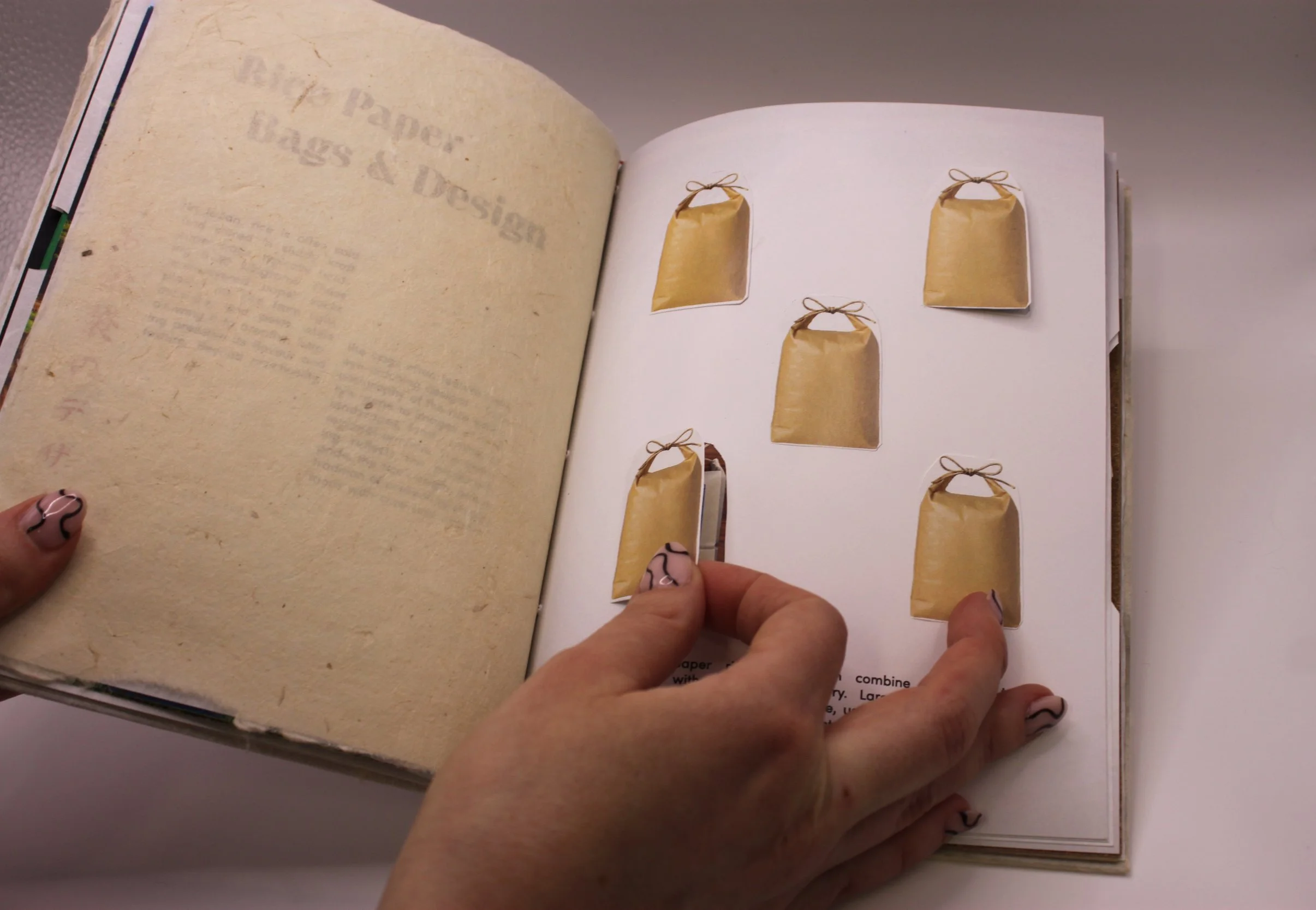
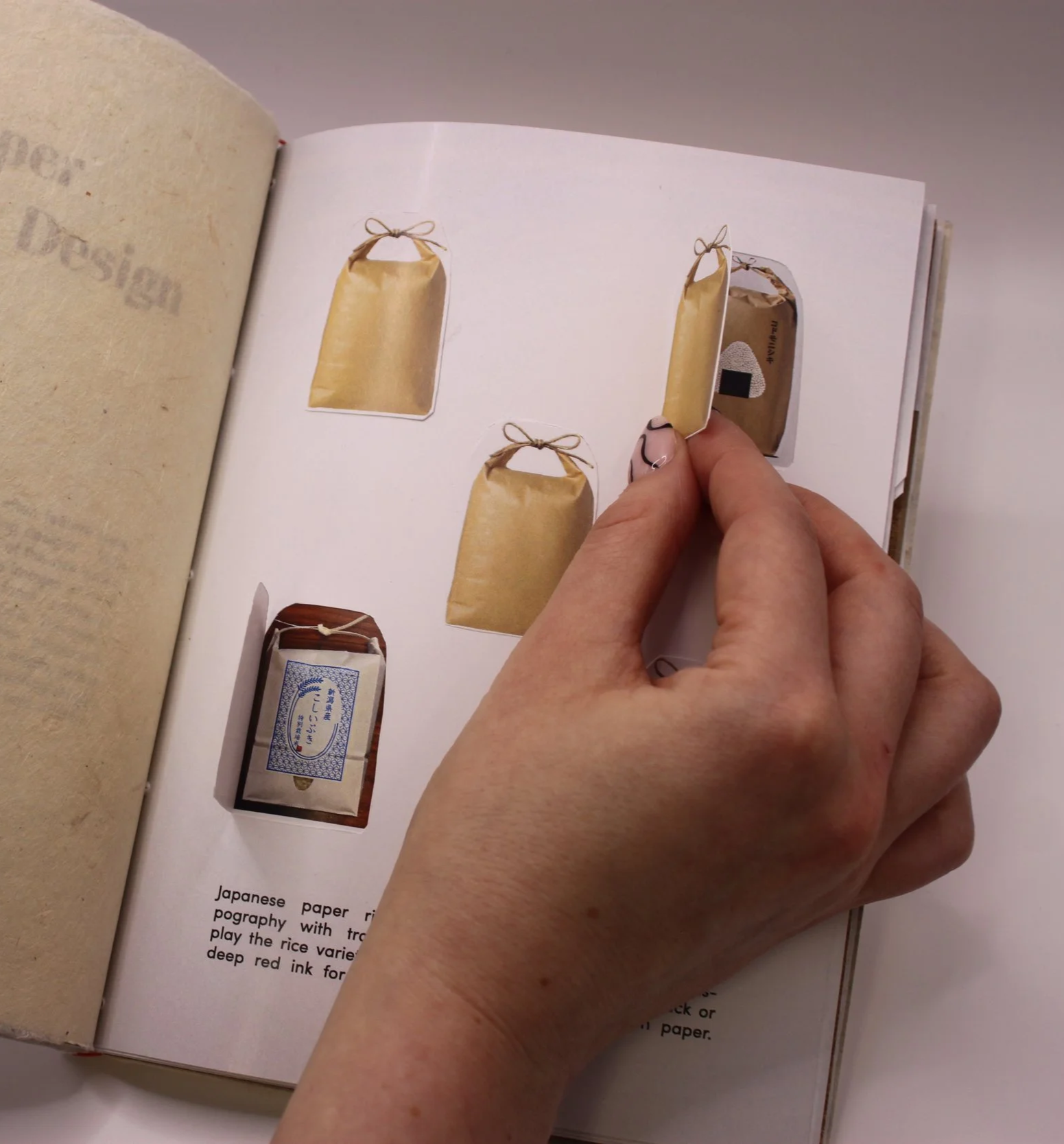
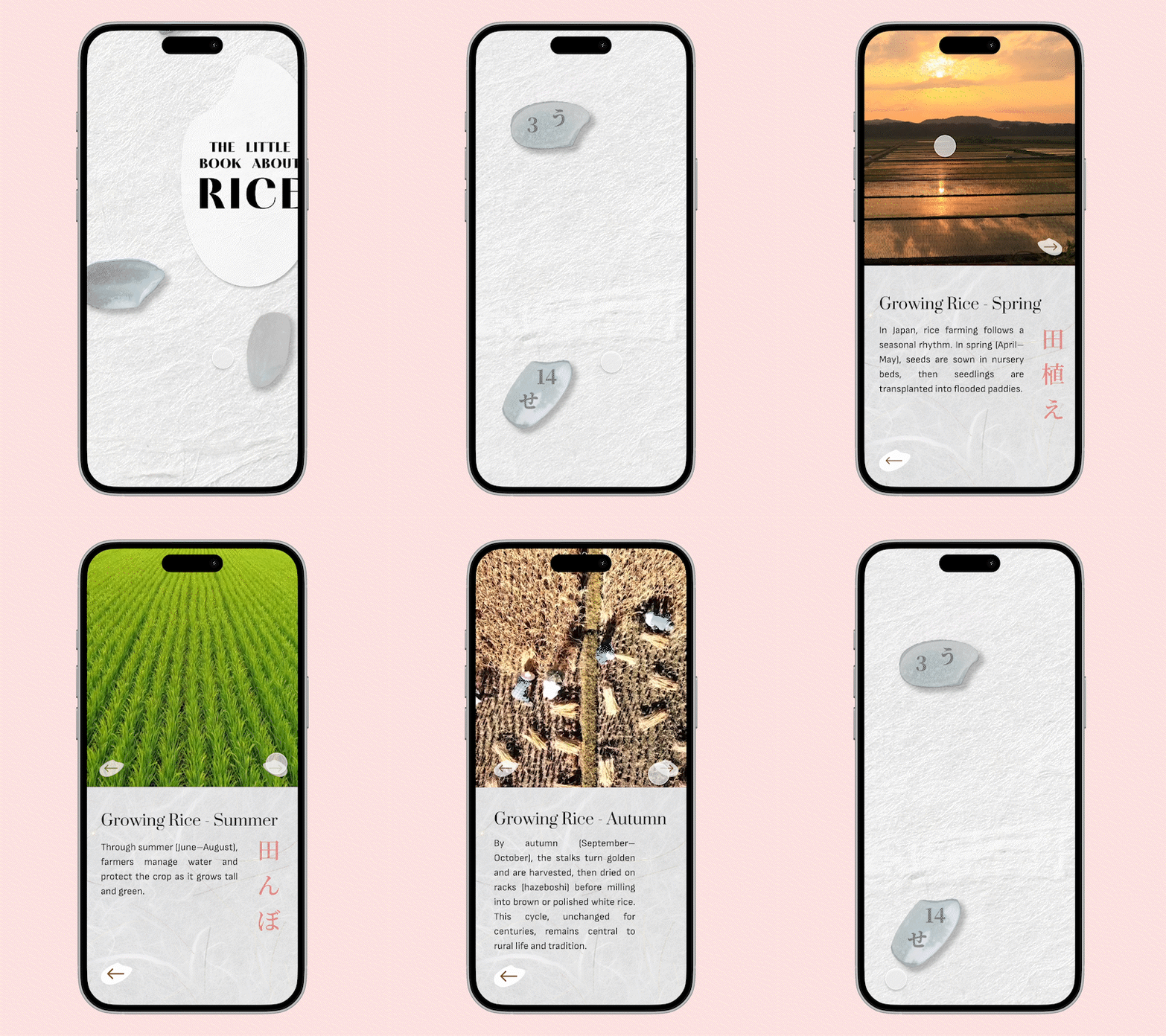
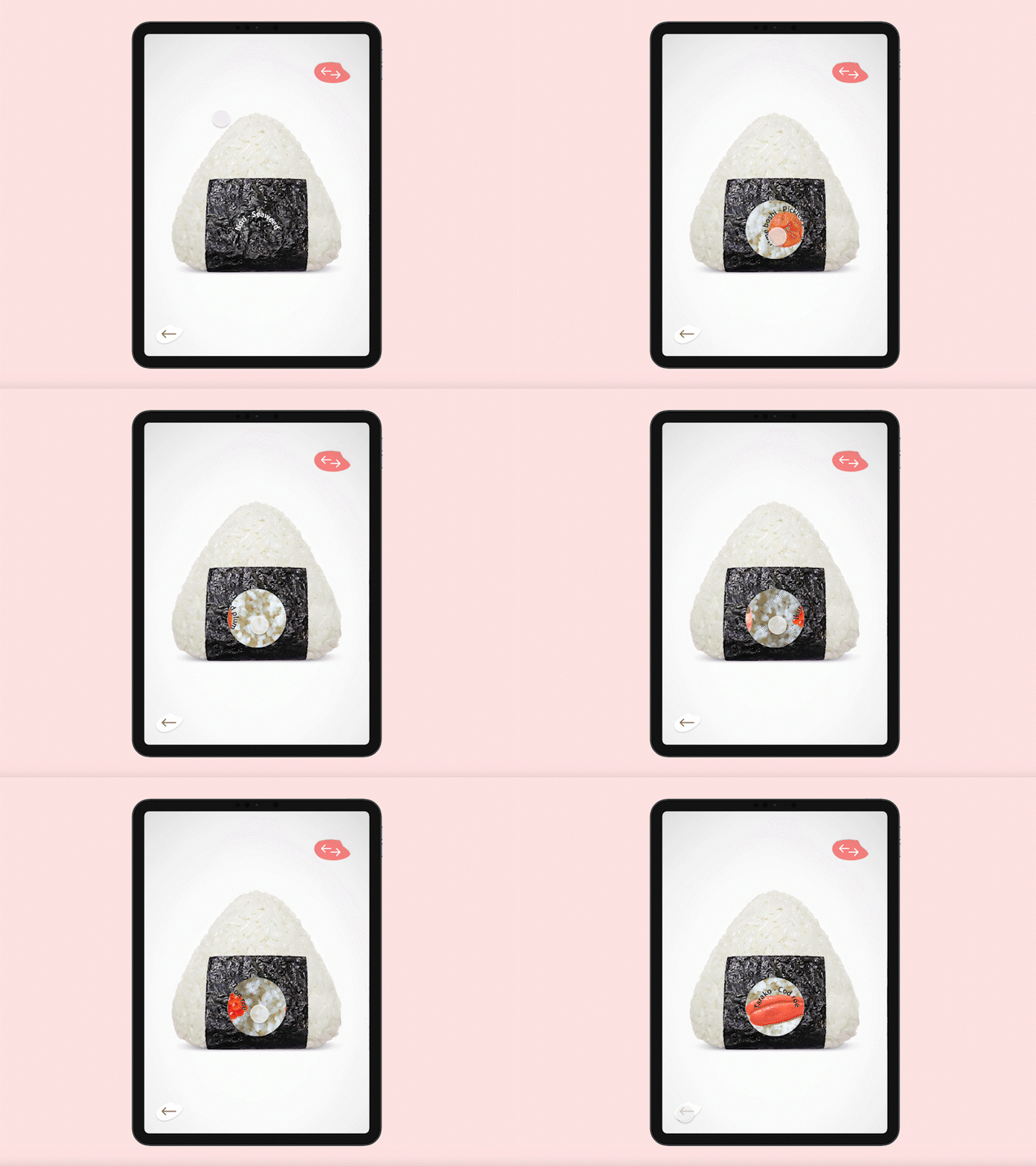
The same content appears in two formats and media. The digital version introduces play through gamification, while the physical book adds interactive features to create a more engaging, playful reading experience.
When asked whether they prefer reading digital or physical books, opinions are often divided fairly equally between the two. The benefits of digital reading are clear: you can carry an entire library with you without adding any extra weight.
On the other hand, physical book lovers often highlight the sensory qualities of the experience, the smell of paper, the feel of the book in their hands, and the physical act of turning each page.
I explored both formats to better understand how each medium shapes the reading experience, and how their distinct qualities can be used to enhance it.
Research
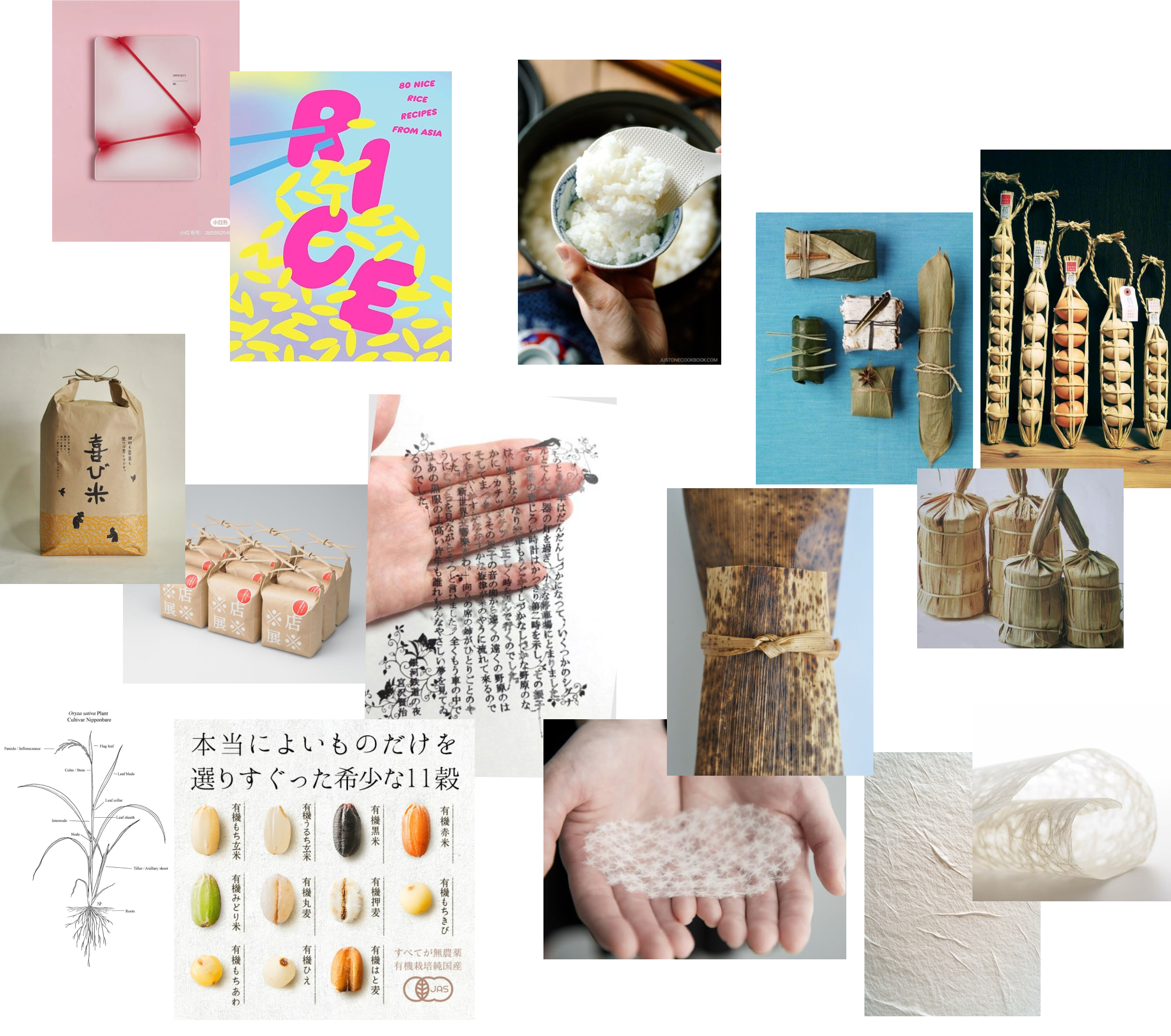
Physical
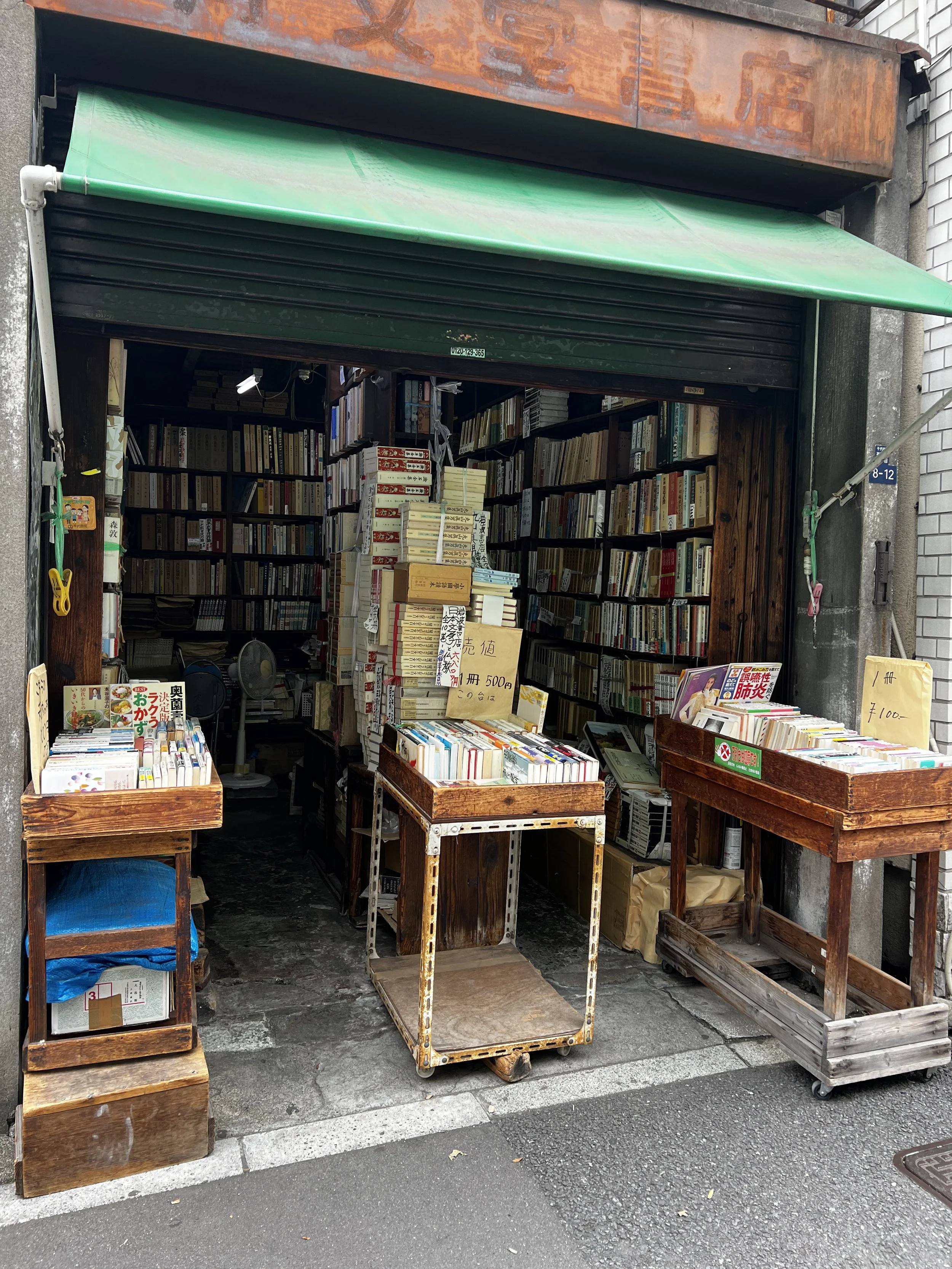
Physical books are one of the earliest forms of media to incorporate graphic design. I started by revisiting the history of bookmaking and printing, and how these developments helped make information accessible to larger audiences.
I also interviewed people about their relationships with books and what books mean to them. Rather than focusing purely on facts and functionality, I became more interested in the emotional connection people have with physical books and how they make us feel.
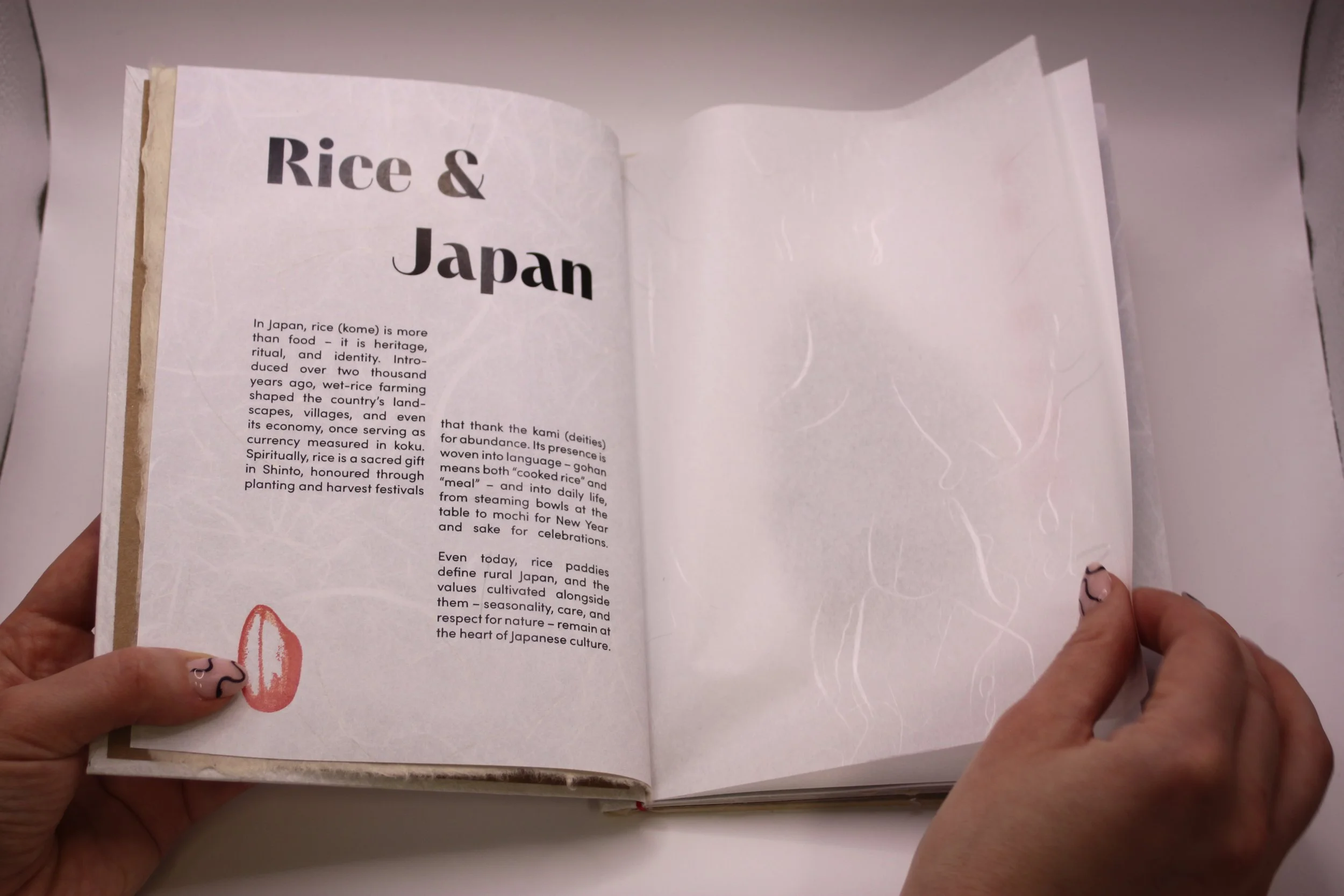
One thing that stood out was the sensory experience: the weight of a book in your hands, the texture and thickness of the paper, the smell of a new book, and the physical act of turning each page. Even seeing how far you have progressed through a book becomes part of the experience.
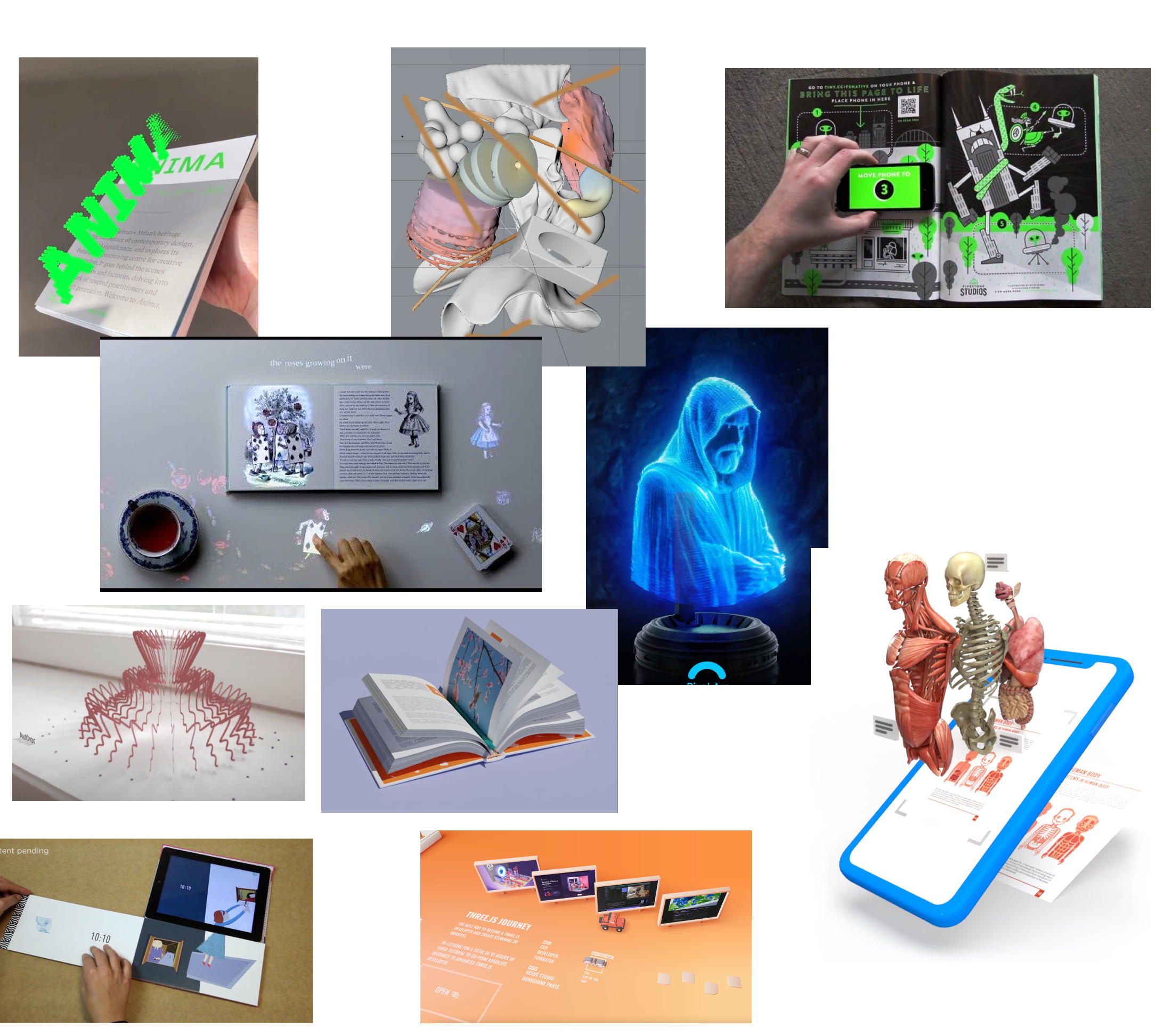
Digital
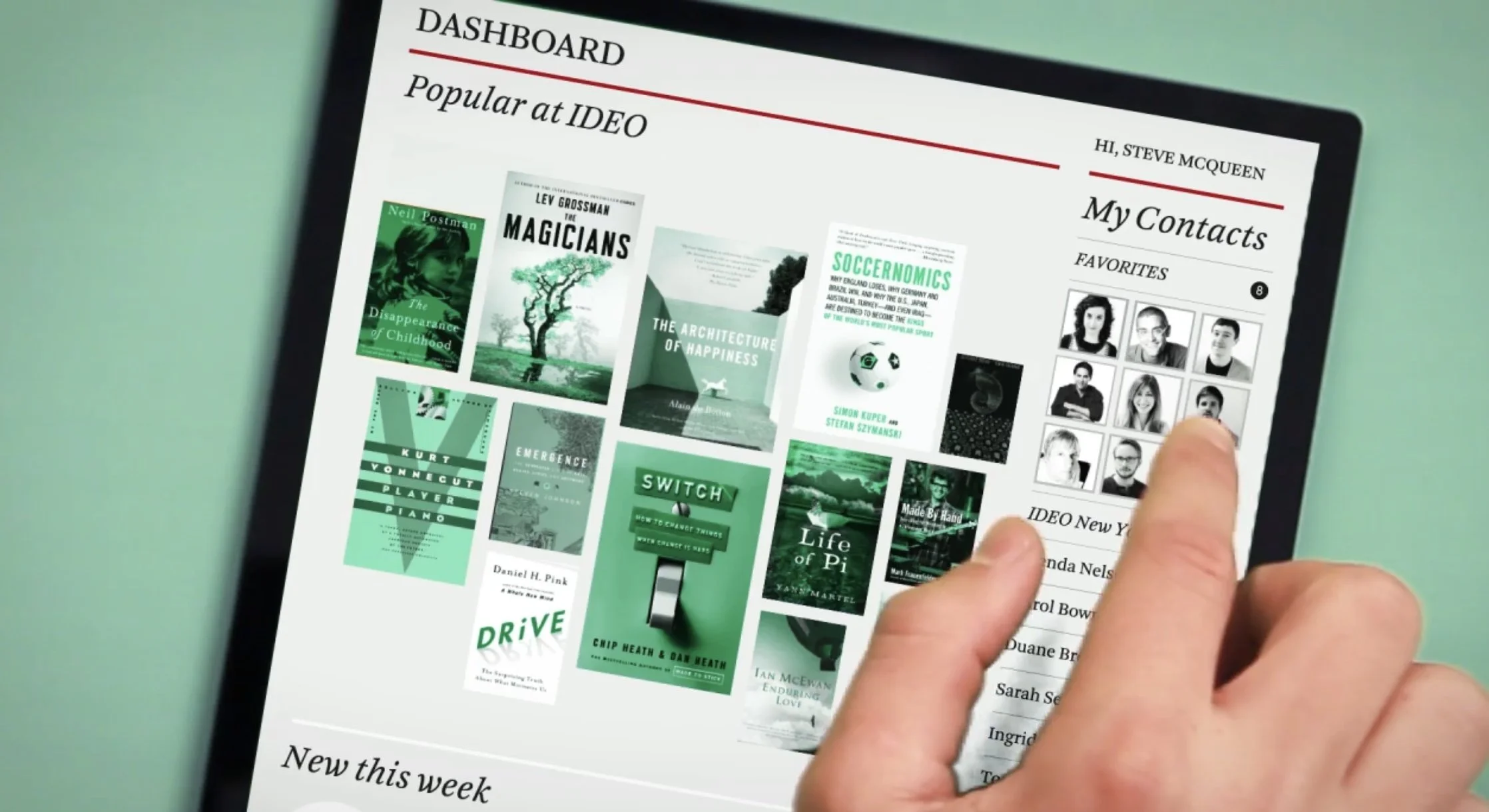
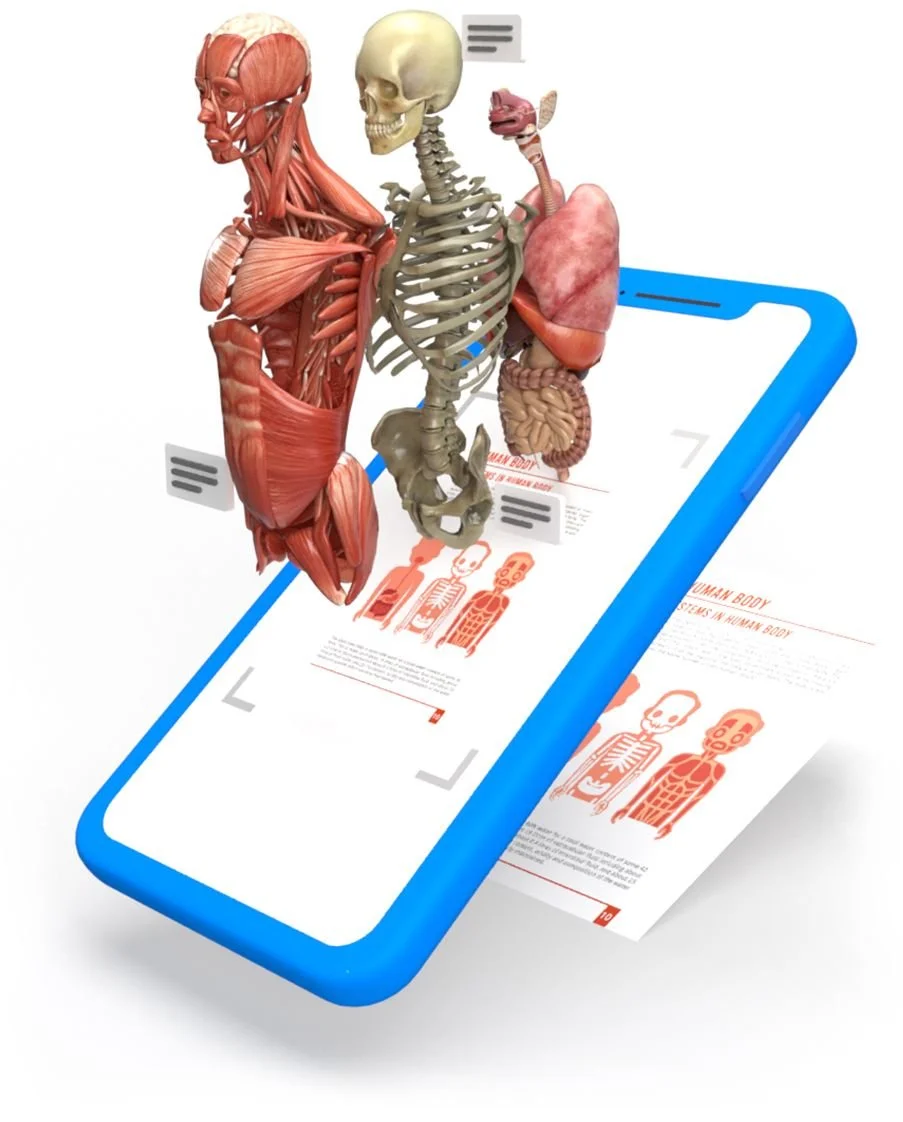
For my research into digital books, I wanted to explore how the reading experience can be enhanced by the digital medium. What makes reading on a tablet different, and what benefits does it offer compared to a traditional book? I also looked at some of the challenges and limitations of digital reading.
A key area of my research was accessibility. I wanted to understand how digital books can support people with reading or learning difficulties by offering ways of accessing and interacting with information that traditional books cannot.

Development Process
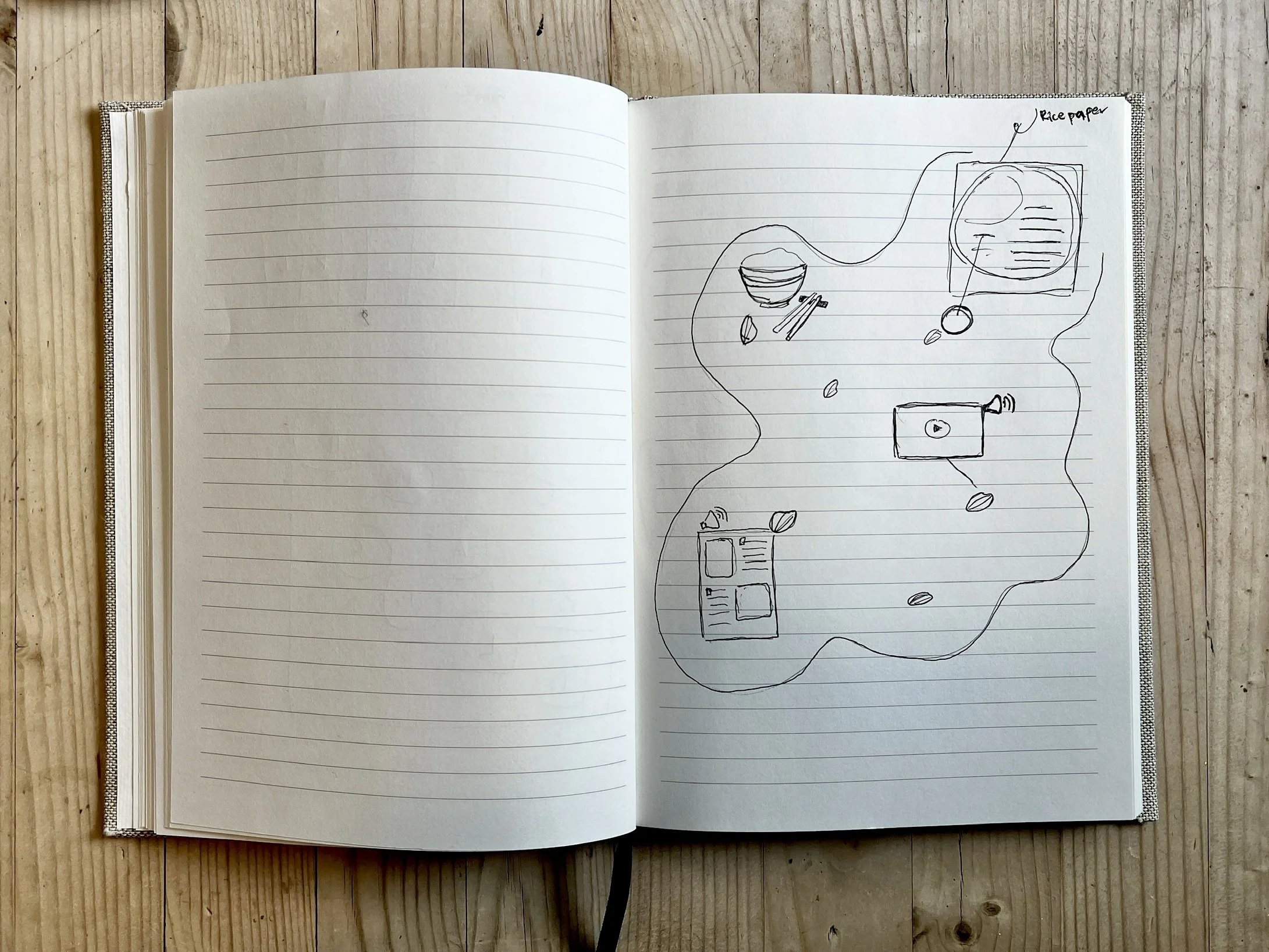
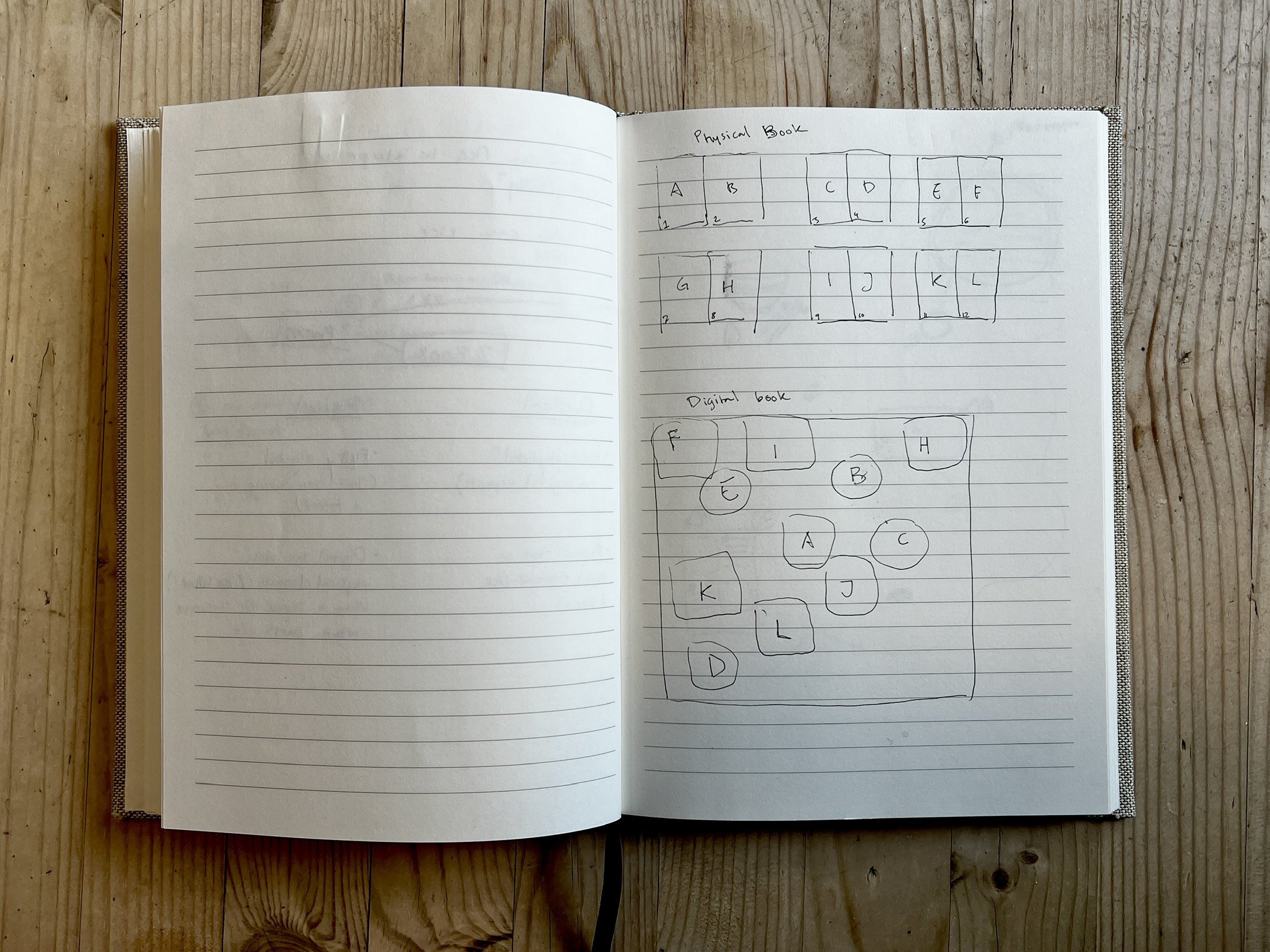
Planning the linear vs. non-linear reading experience.
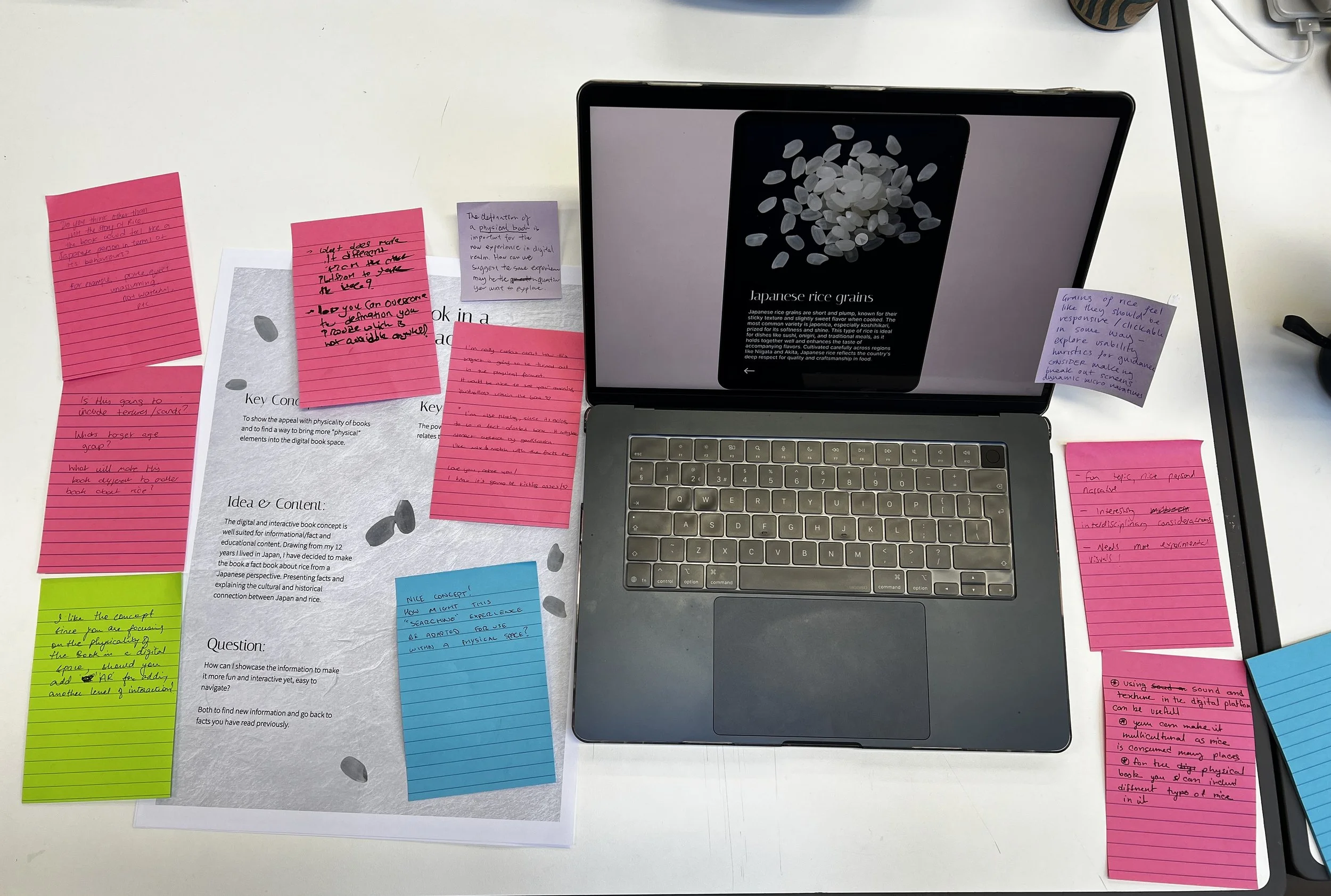
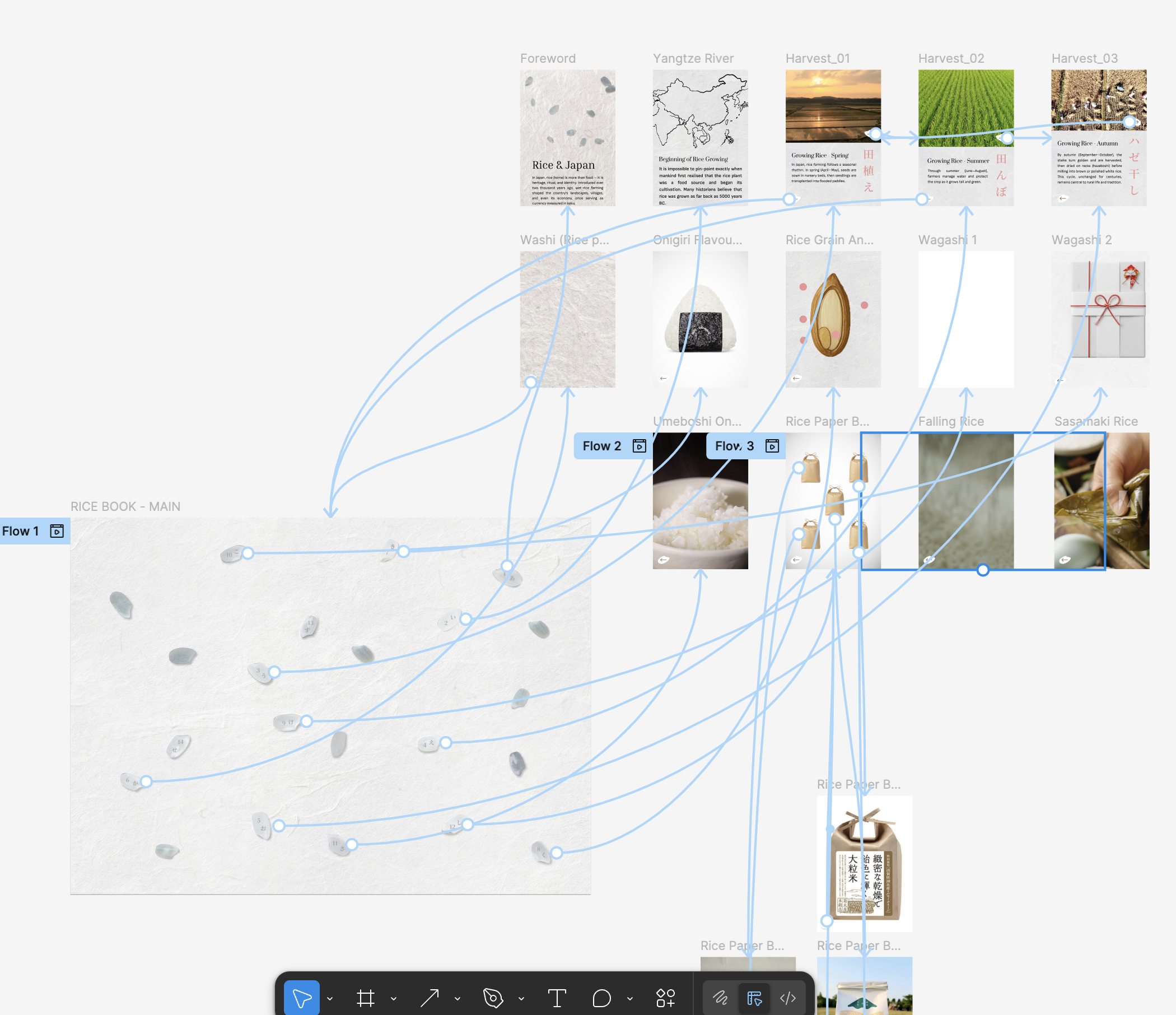
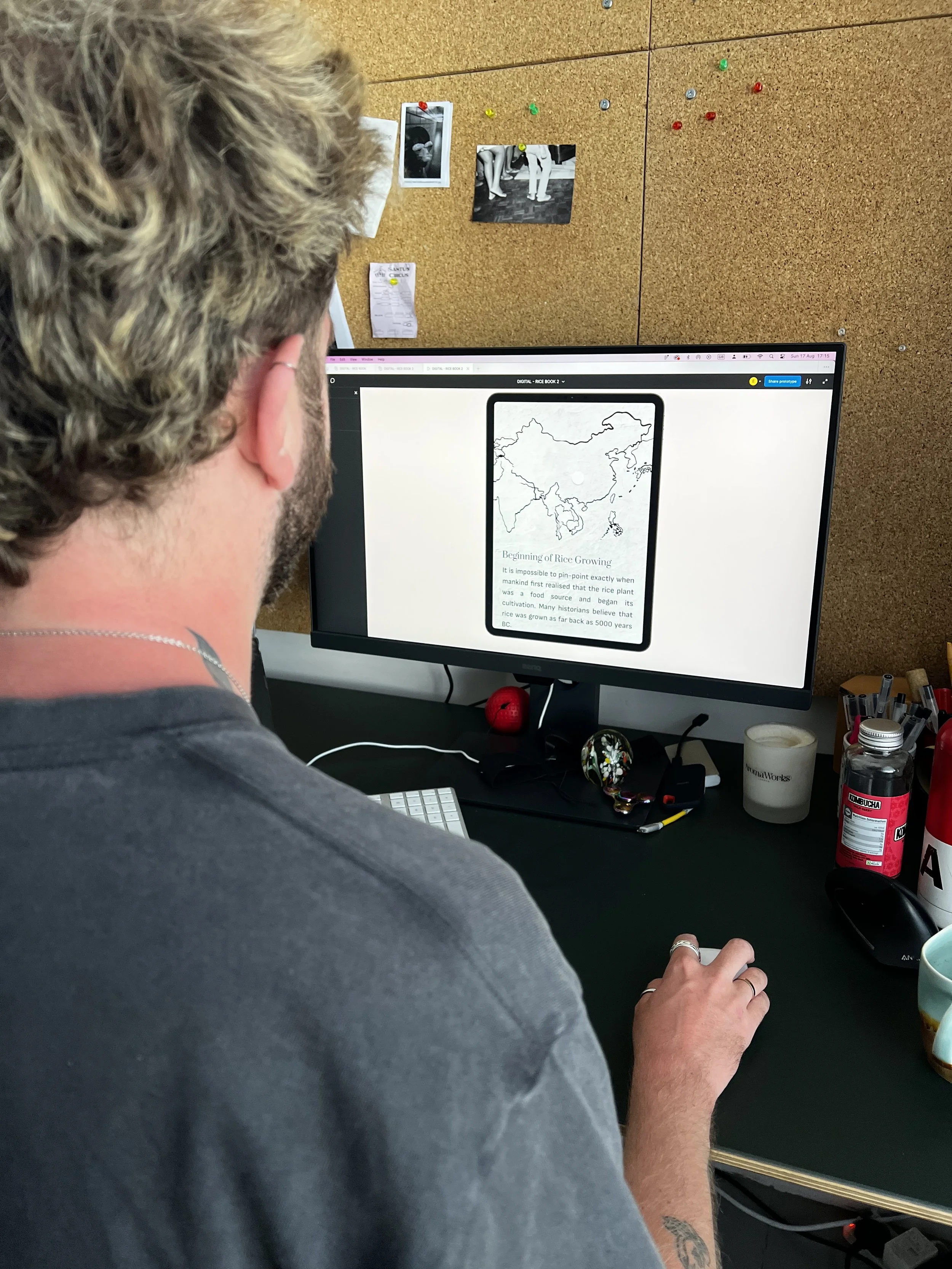
First stages of Figma wireframing and early stages of product testing, getting feedback from users.
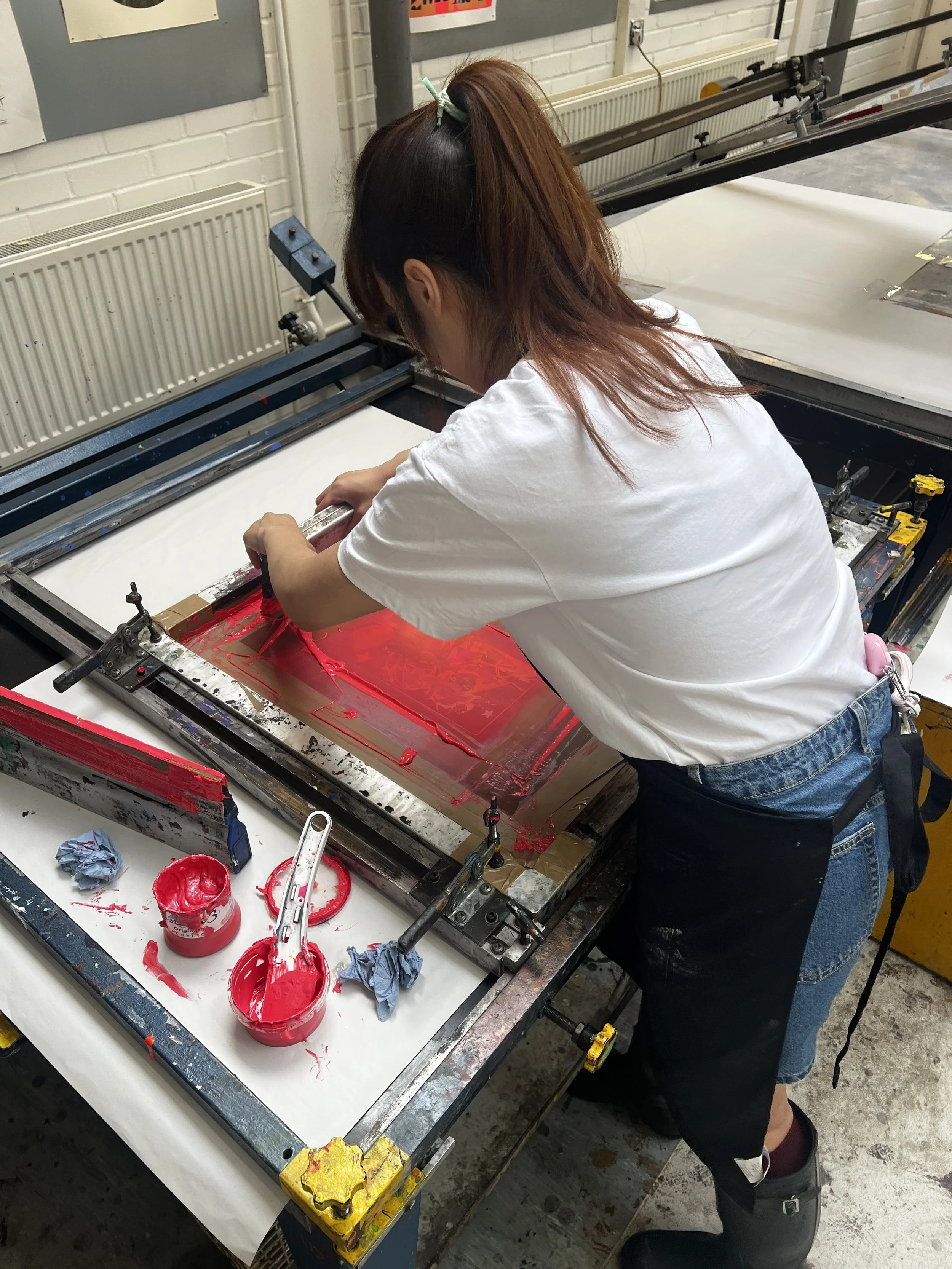
Early content ideas, book binding workshop and screen printing workshop.
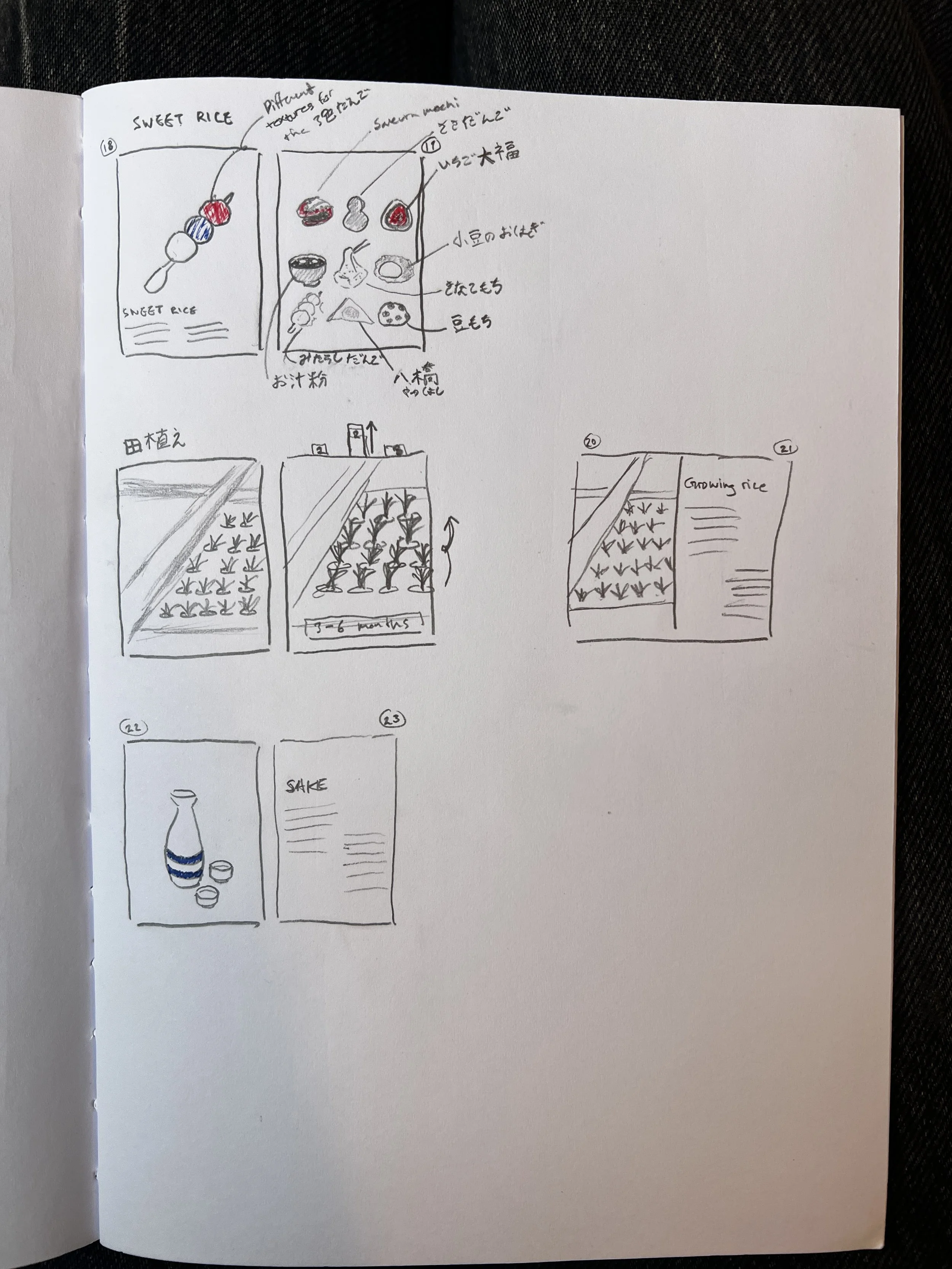
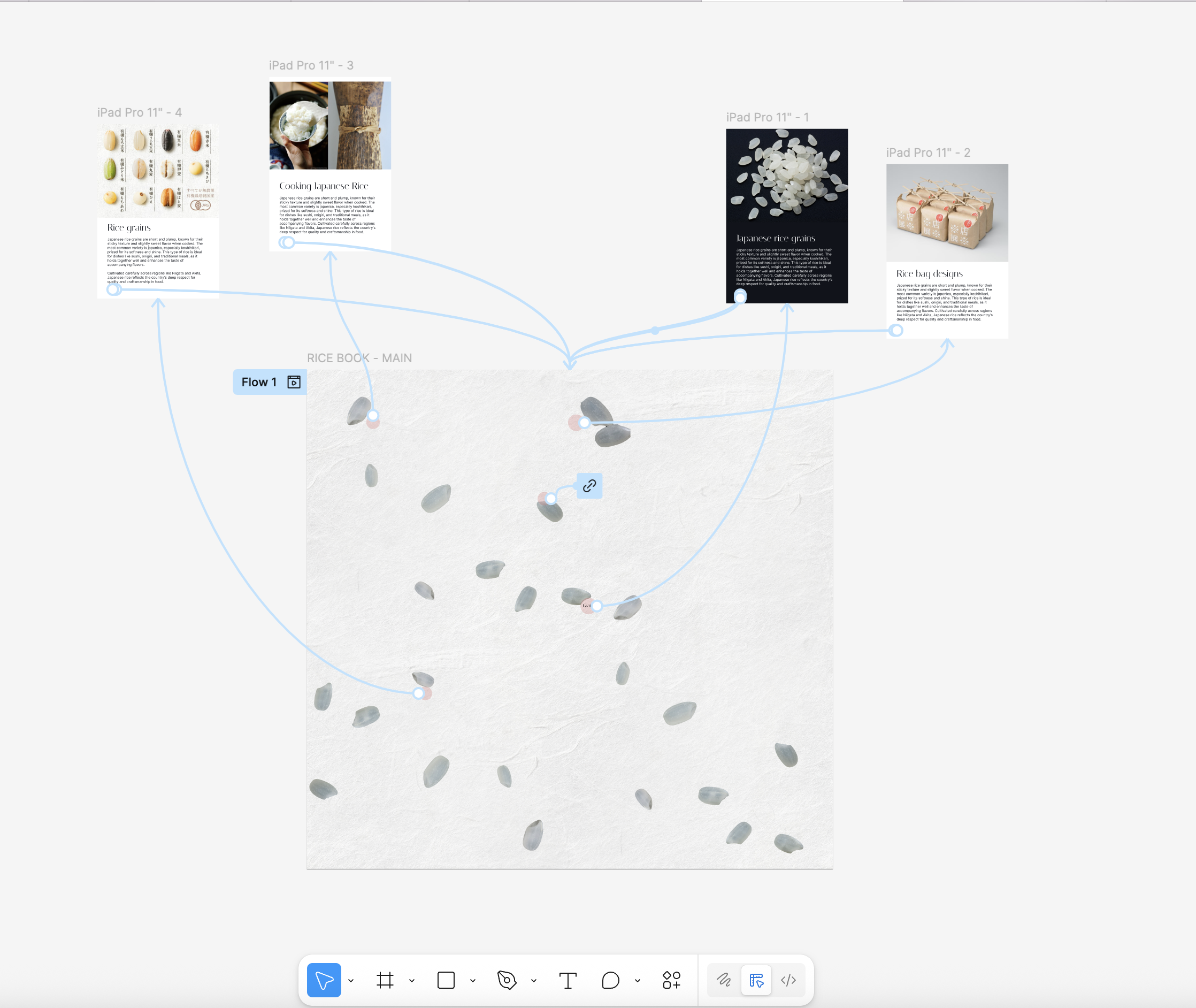
Developing the final wireframe flow and conducting additional user testing.
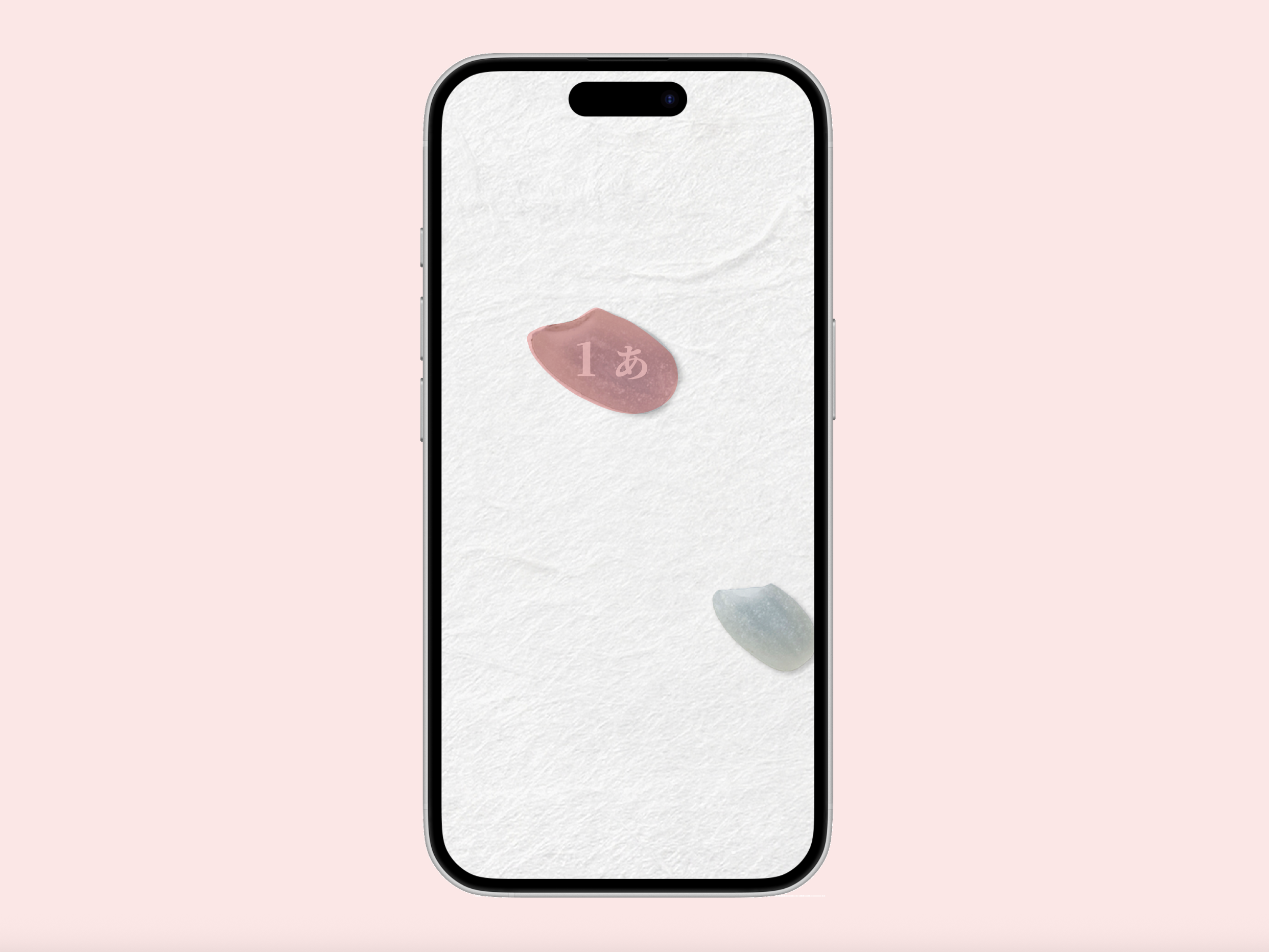
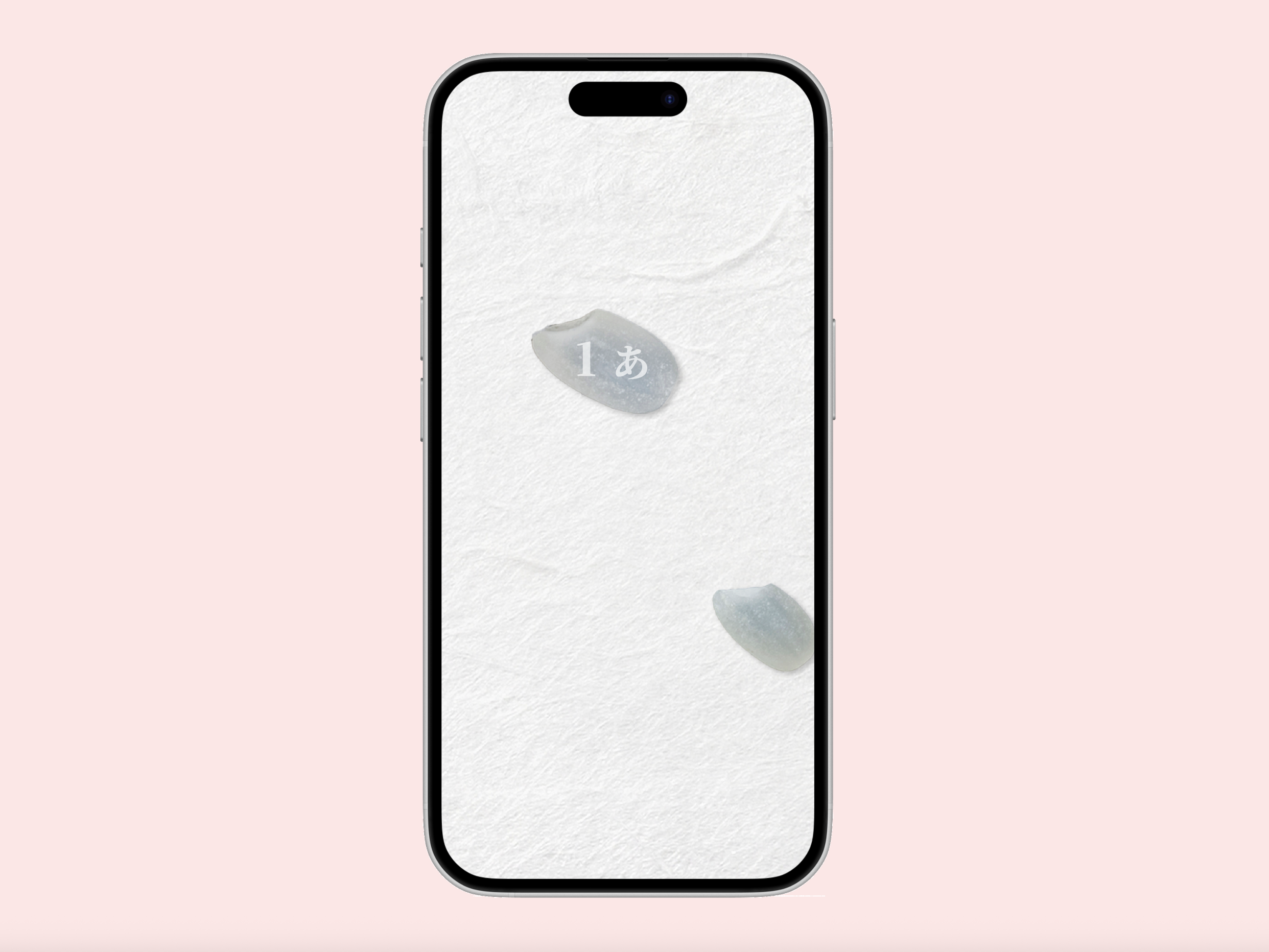
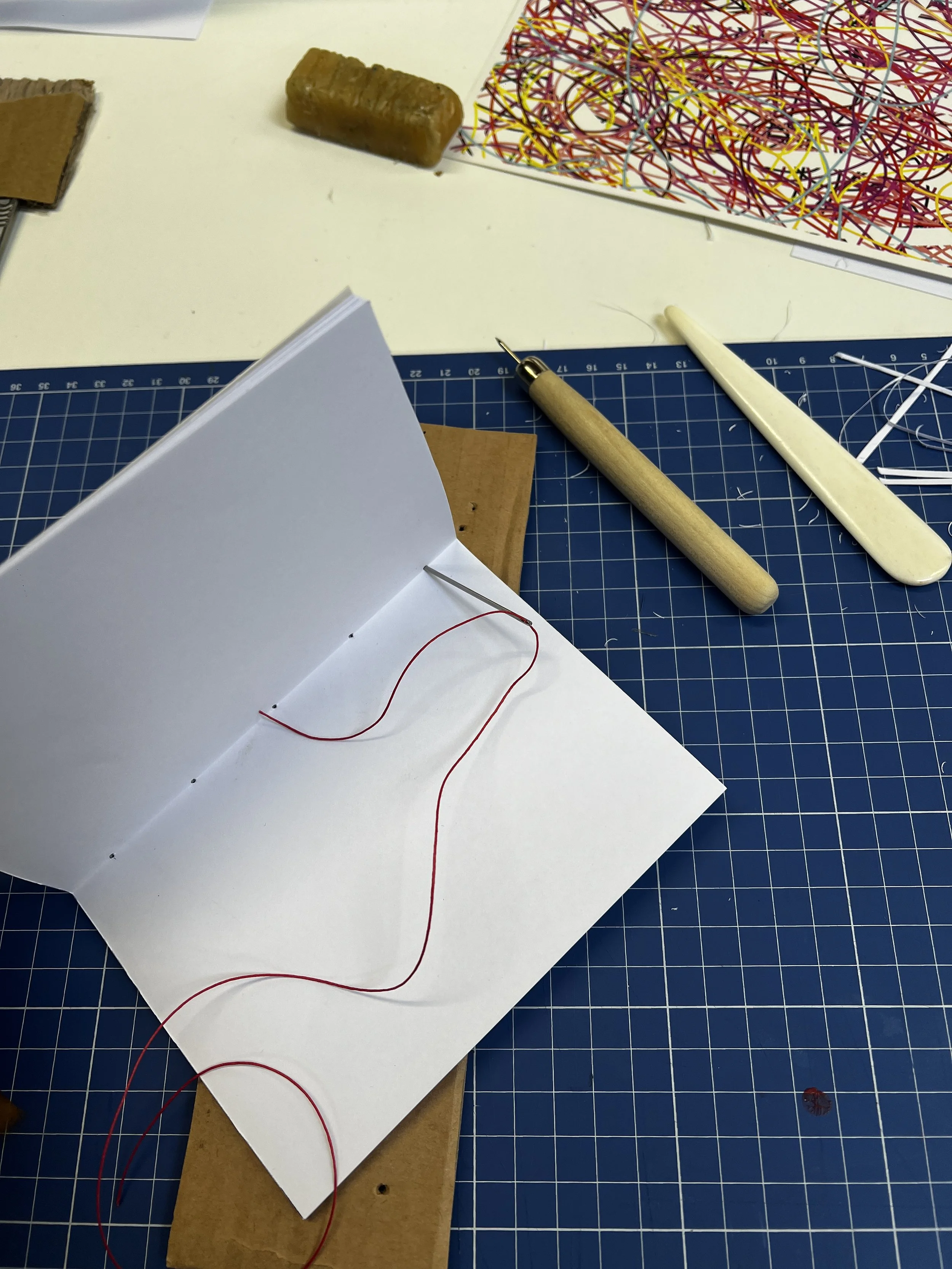
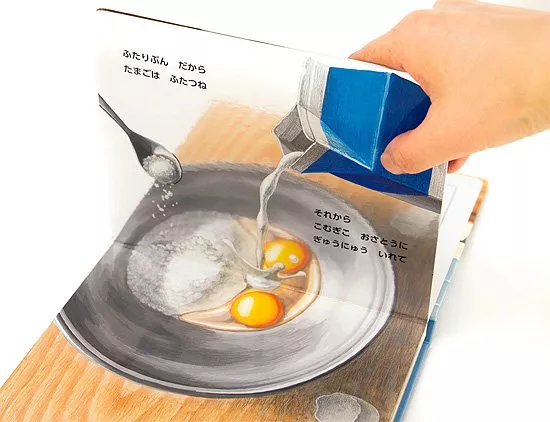
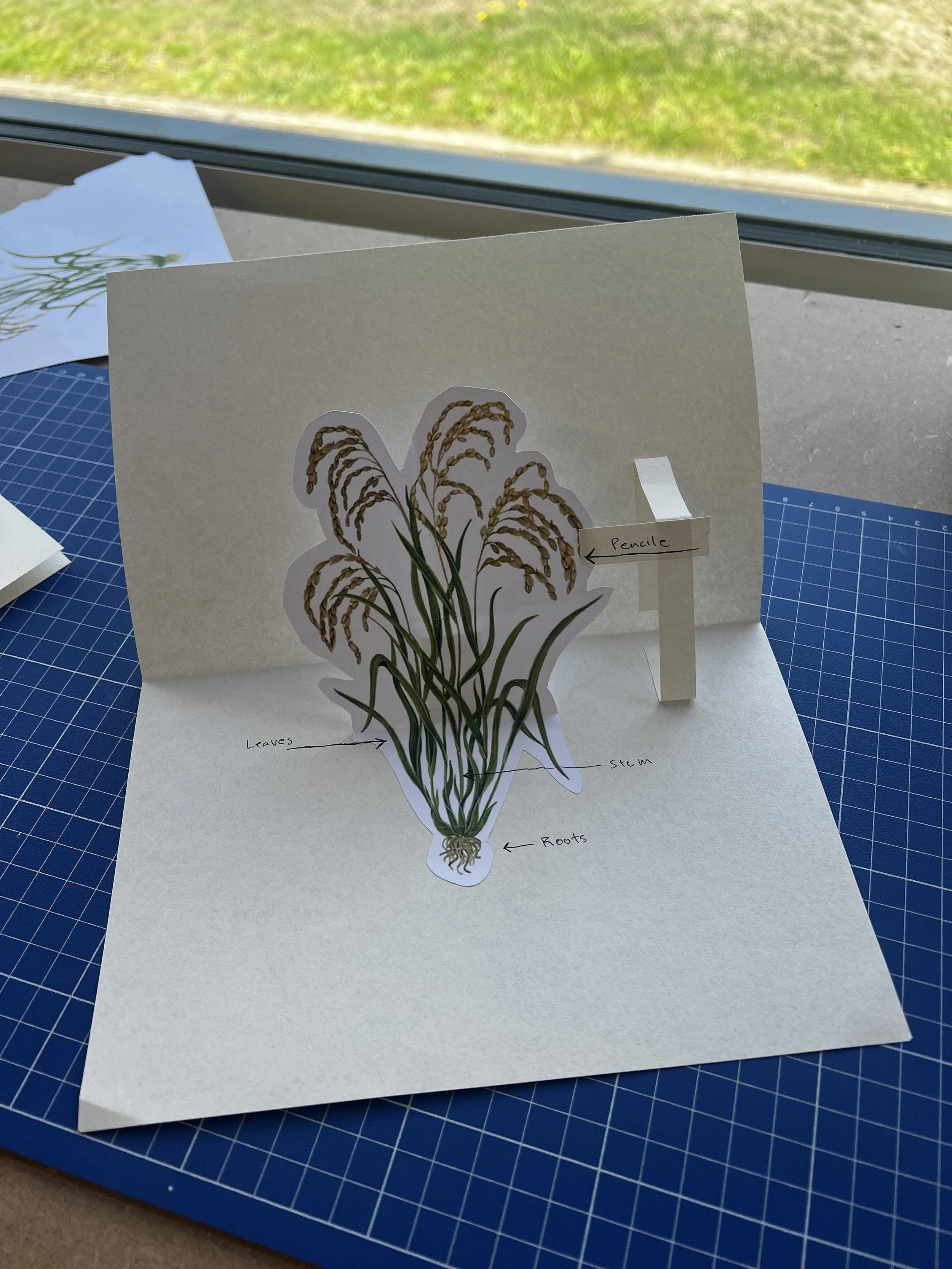
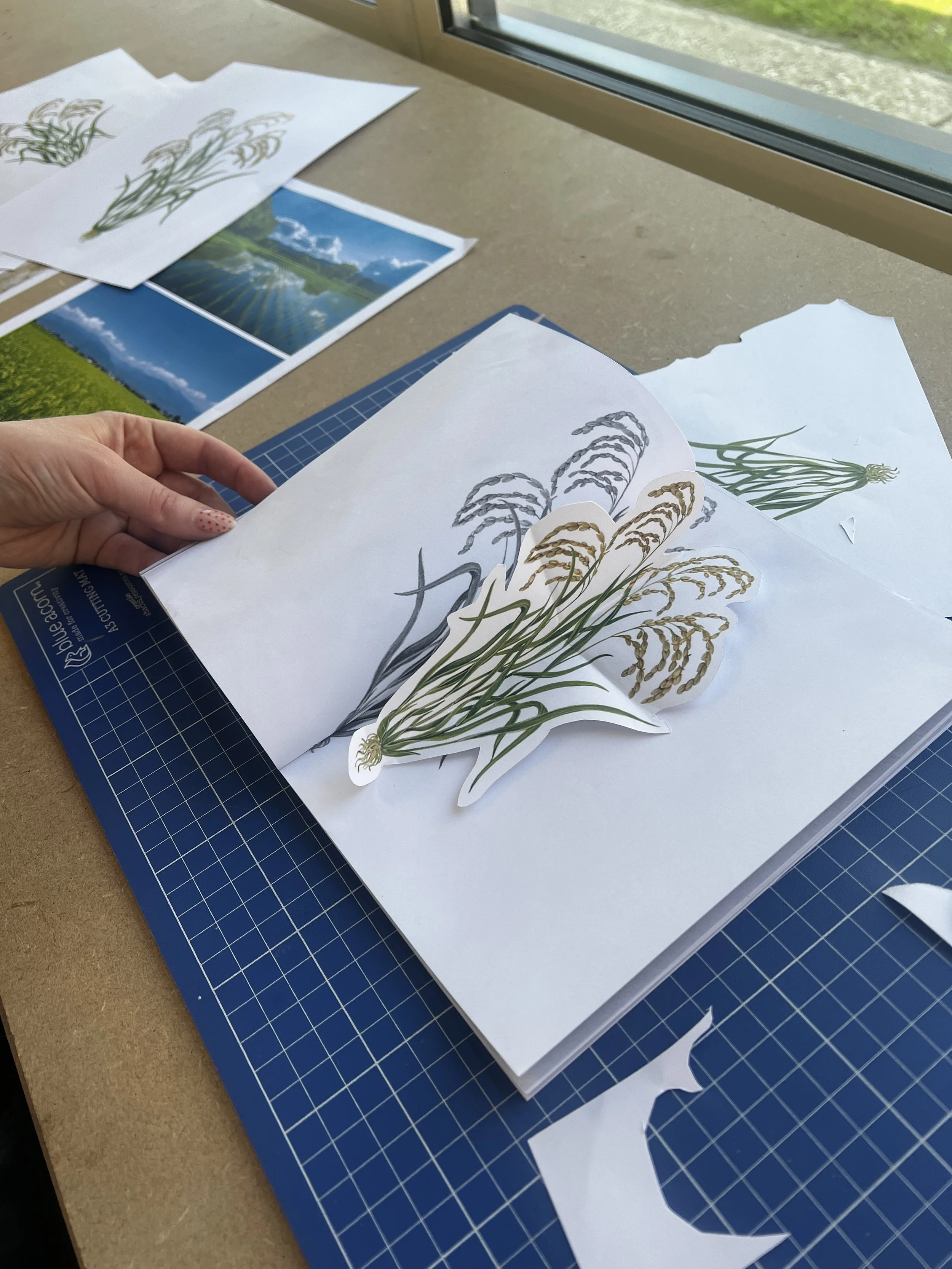
Prototypes of pop-up features and interactive elements on the pages.
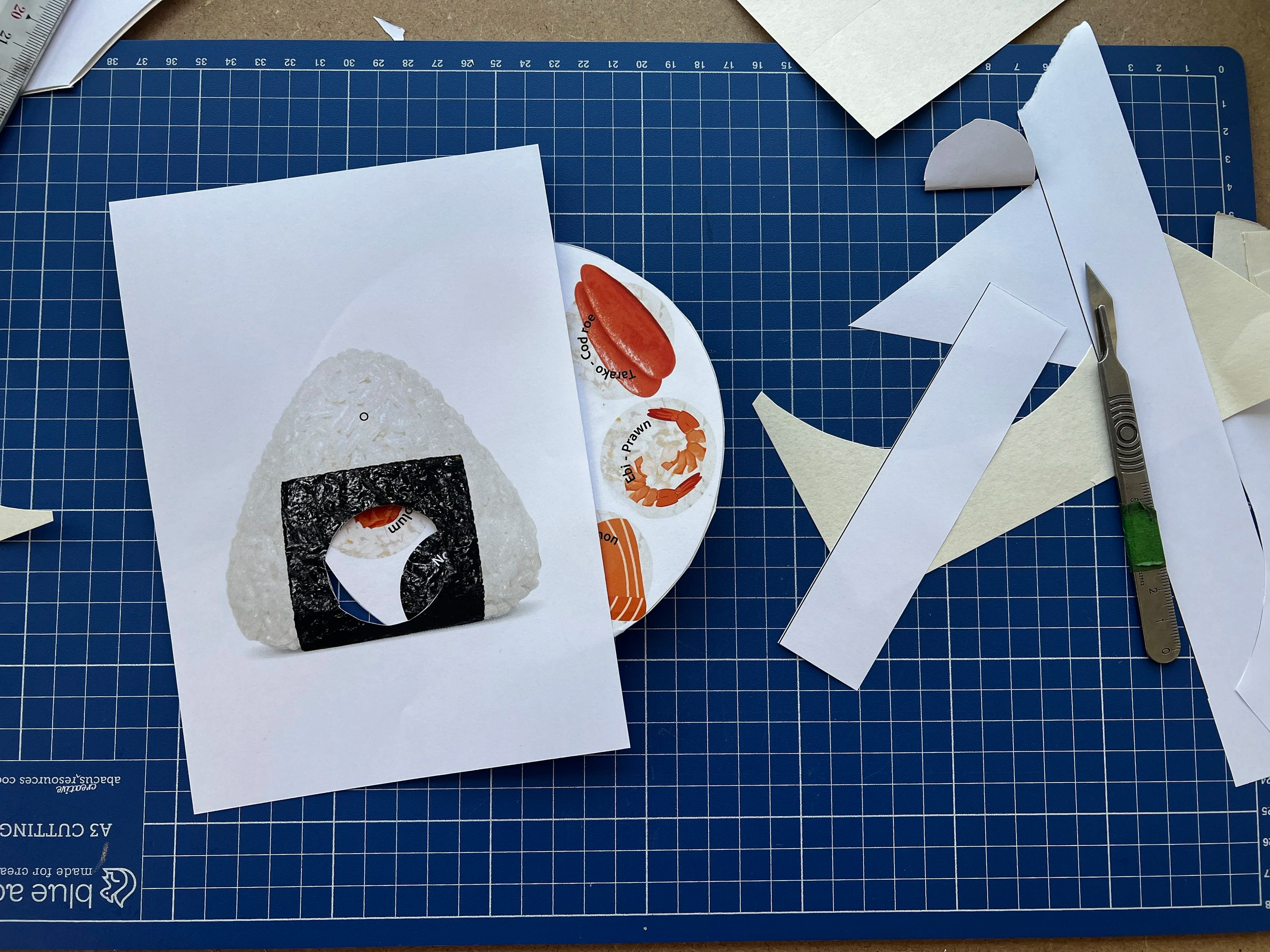
The Concept
Rather than telling the audience which format is better, I wanted them to decide for themselves. There is no right or wrong answer, just personal preference. I explored this by creating two books: one physical and one digital, containing the same information but presented in two different ways.
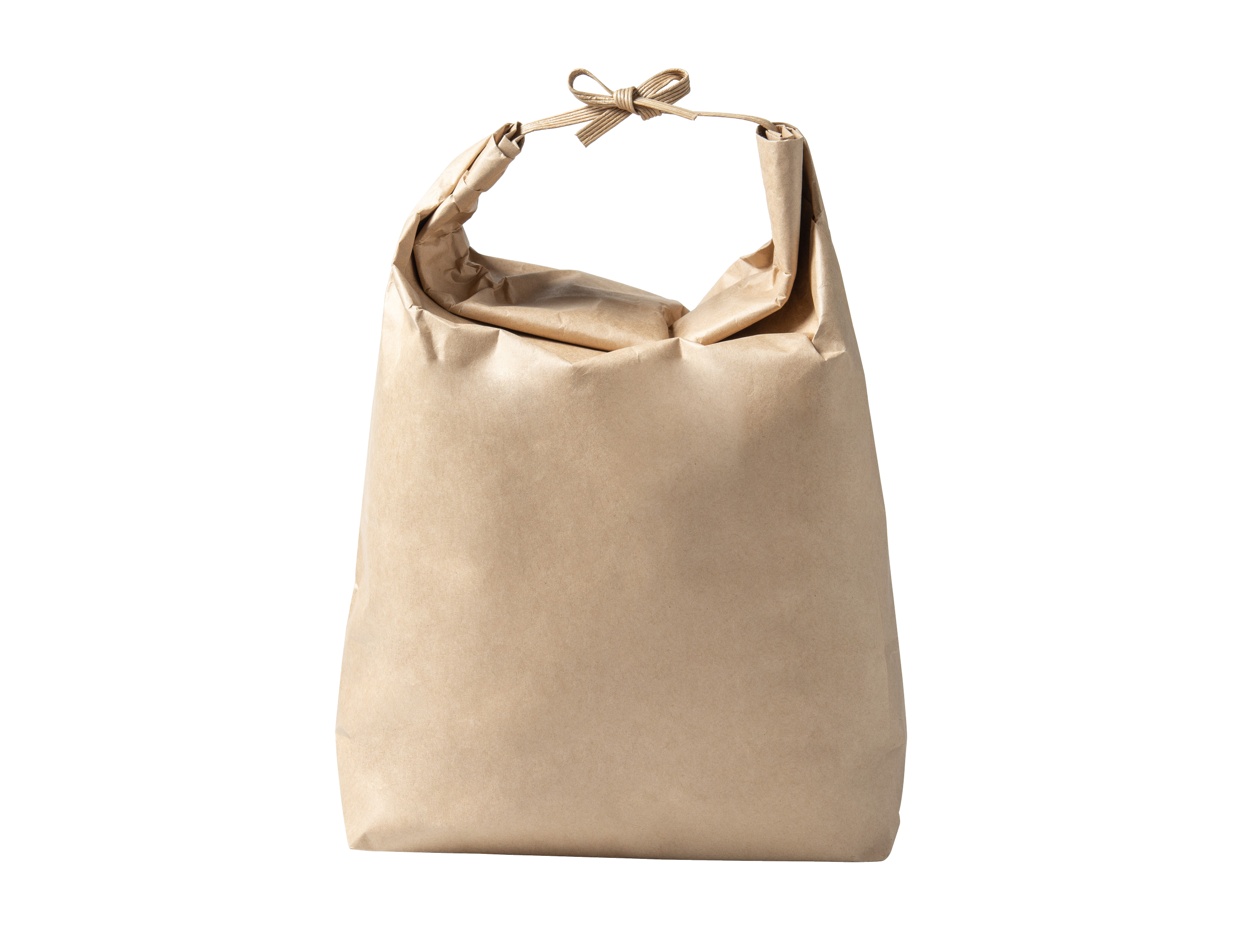
During my research, I returned to Japan and found rice unexpectedly at the centre of everyday conversation. Years of unpredictable weather had affected the harvest, leading to a nationwide rice shortage. Prices were rising, and finding good-quality rice was becoming increasingly difficult.
Having lived in Japan for many years, rice had always felt like an ordinary part of daily life. This experience made me look at it differently and became the starting point for exploring its history, traditions and cultural significance in Japan.

Final work
One book, presented in two different ways.
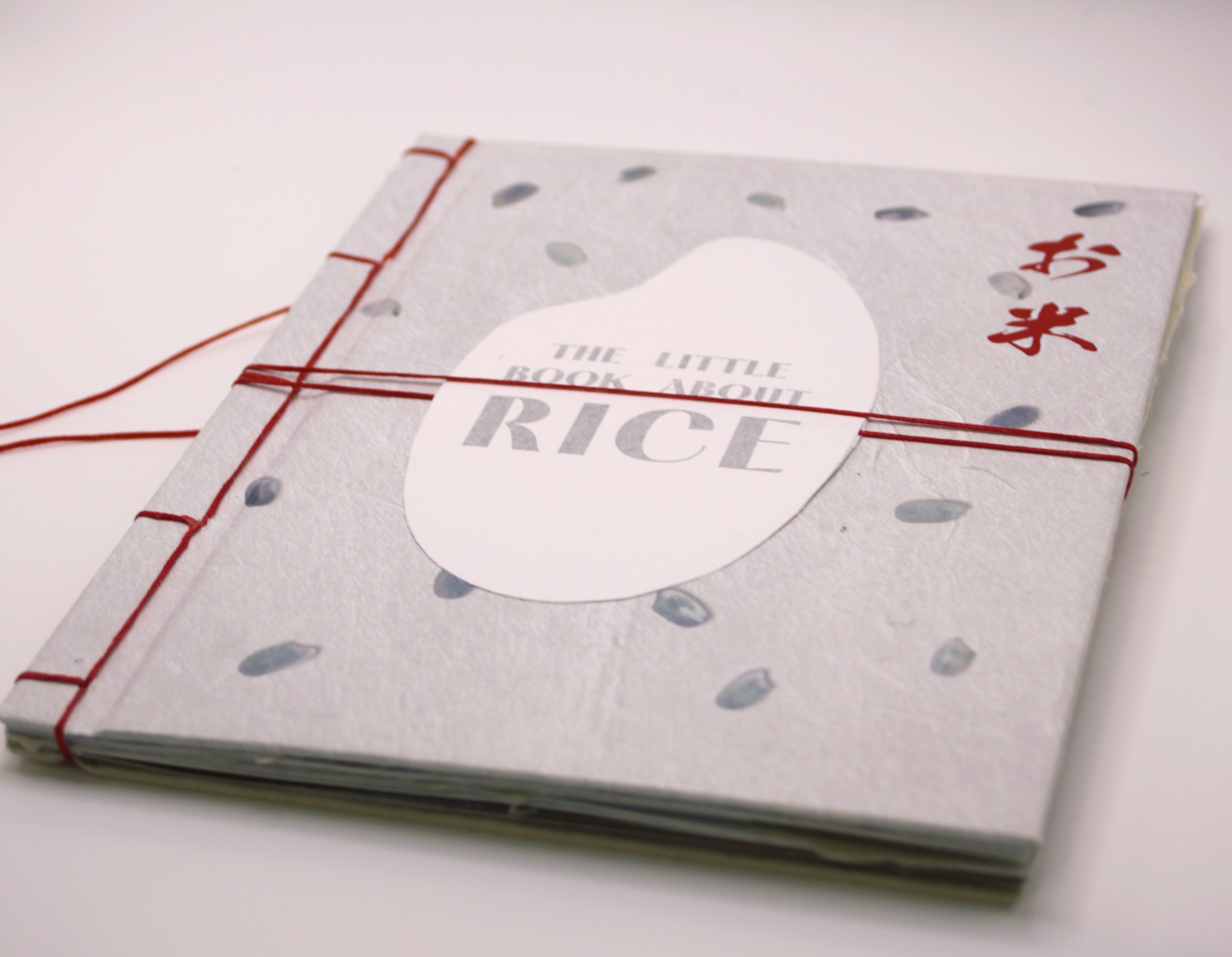
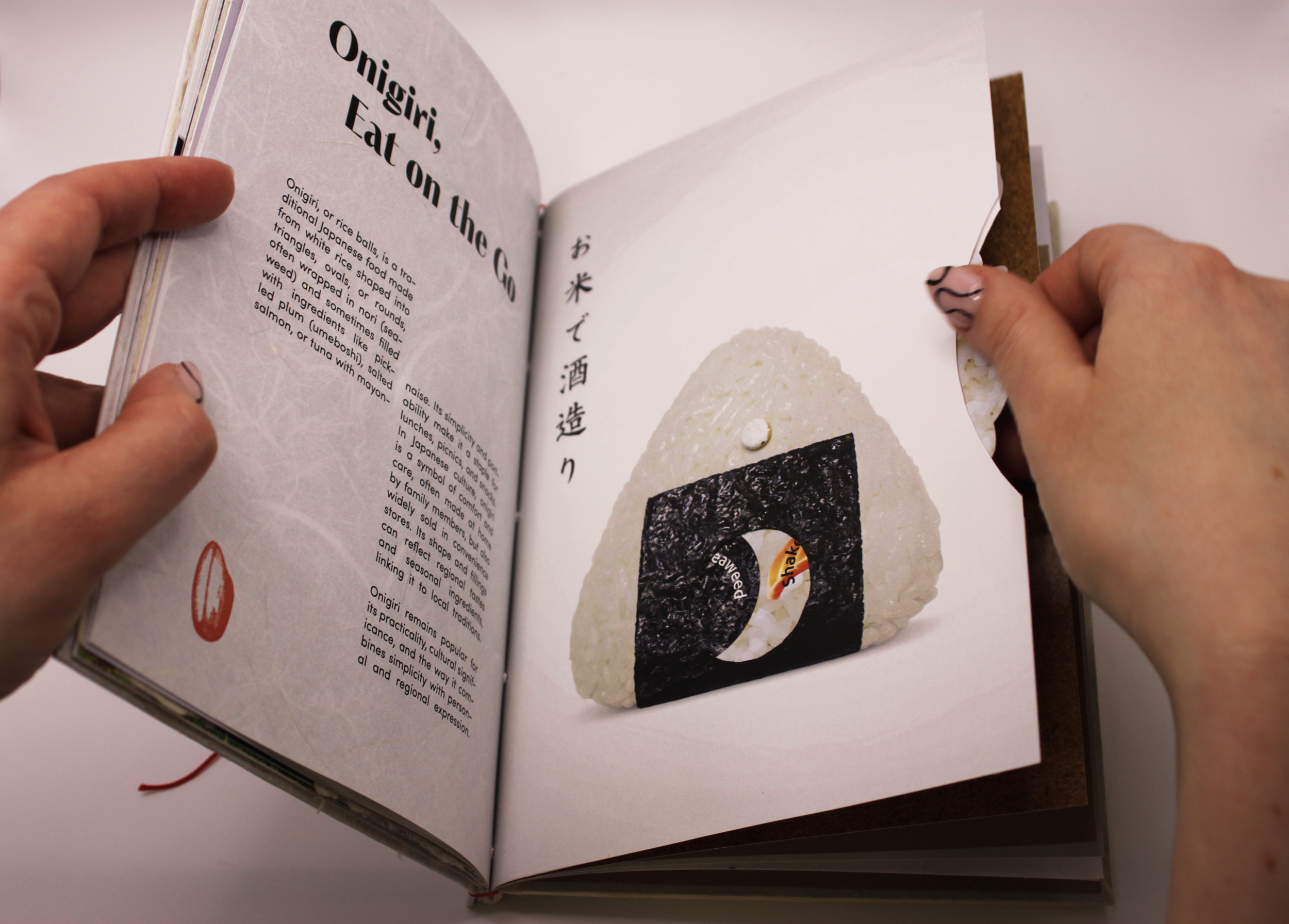
The physical book leans into everything tactile and sensory, creating a more immersive reading experience while following the traditional structure of a book: reading chronologically from one side to the other, with a clear beginning and end.
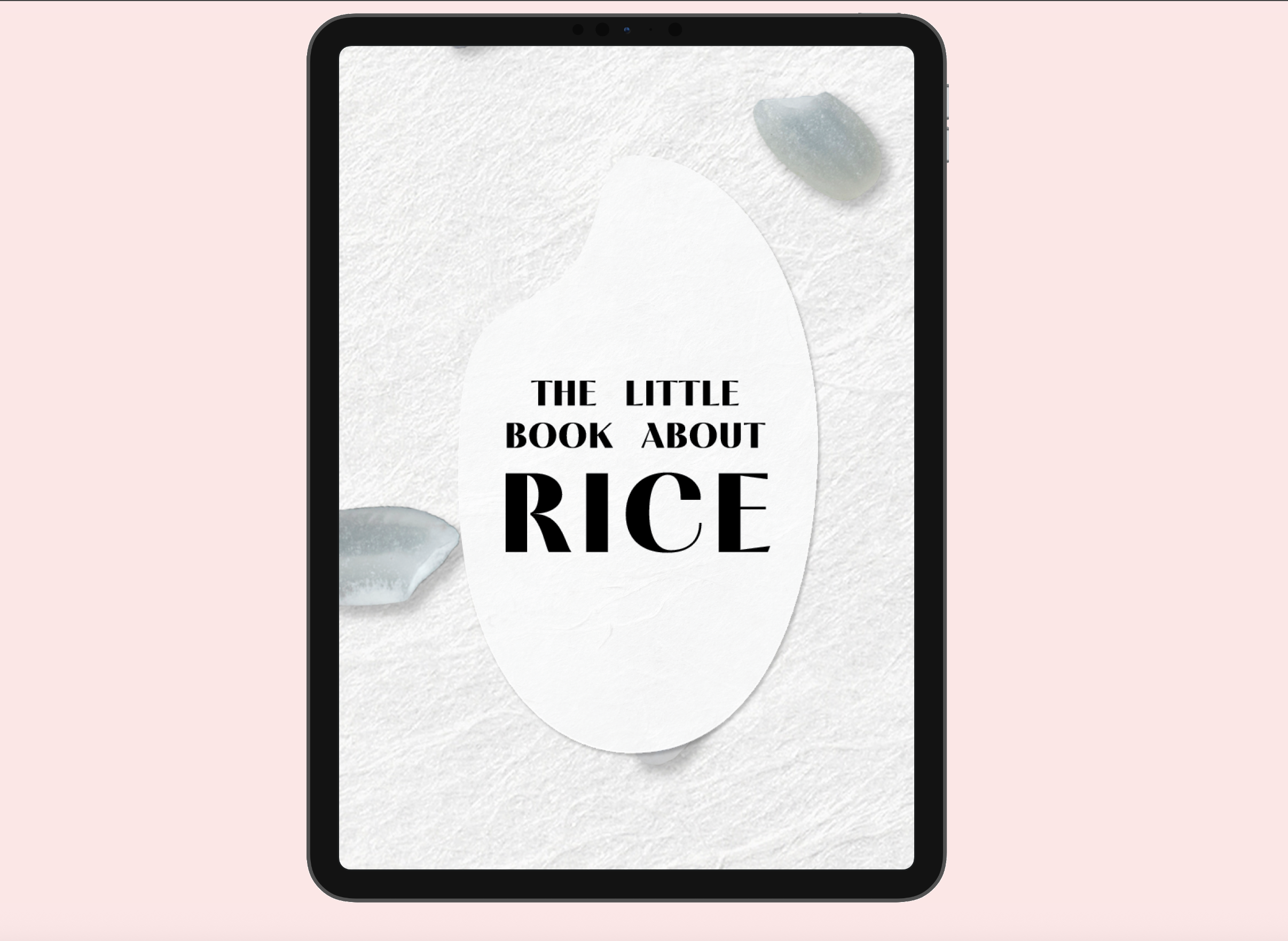
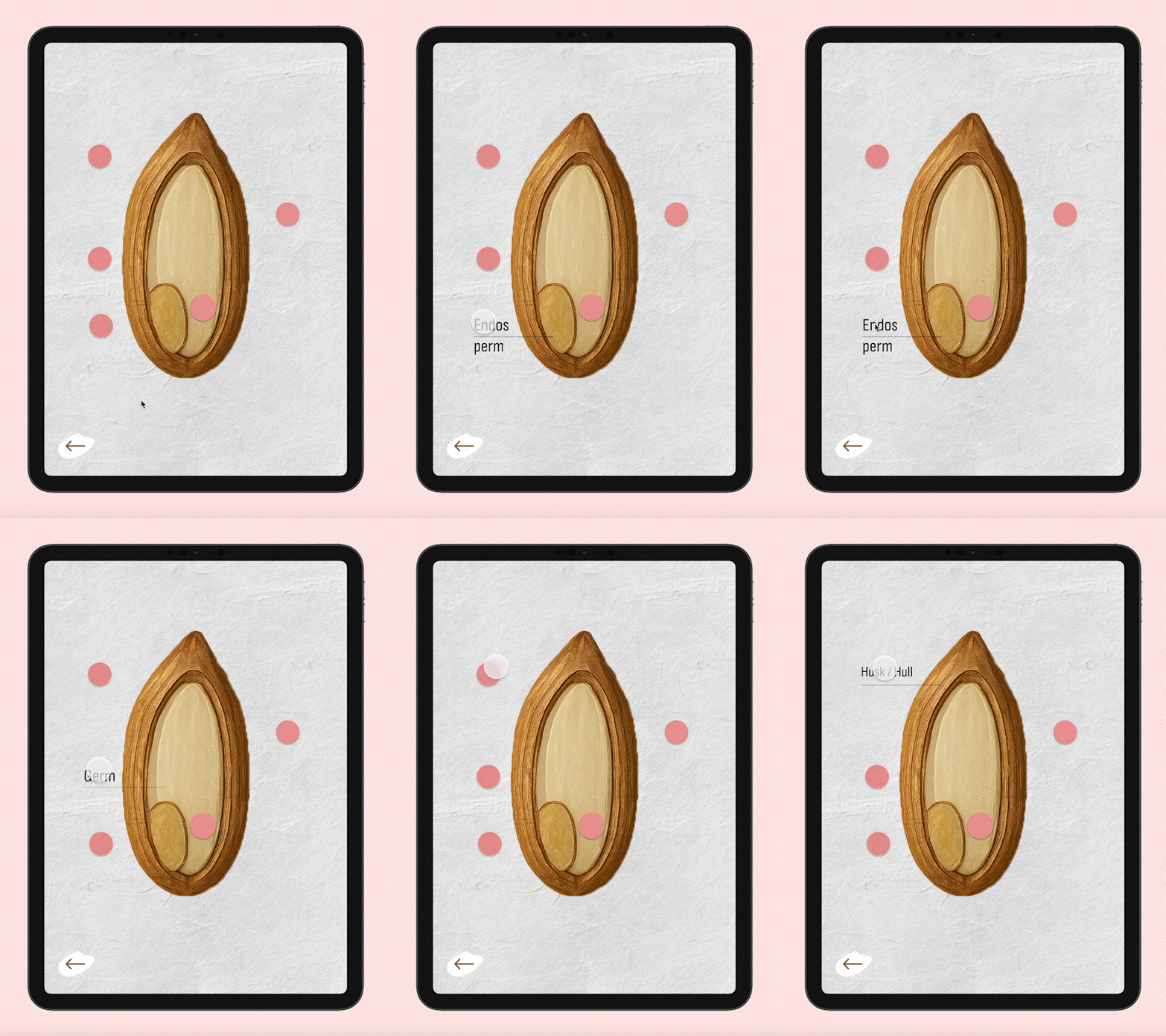
For the digital book, I wanted reading itself to become less of a focus. Instead of following a linear sequence, the reader can freely move between different sections and explore the content at their own pace. I used the possibilities of the digital medium, sound, video and interactive navigation; to create a more exploratory experience, with information presented across a flat, map-like surface where the reader can click on individual rice grains to discover different topics.